Important Questions for UPSC Prelims, Mains and Interview
|
Context
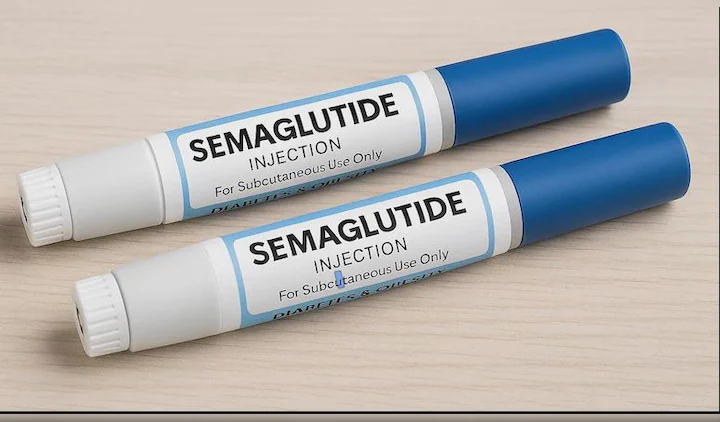
A legal dispute has emerged between Novo Nordisk & Dr. Reddy’s Laboratories over similarity between drug names “Ozempic” & “Olymviq,” highlighting issues of trademark protection, generic competition, & patient safety.
Q1. What are the key legal and commercial issues involved in the trademark dispute between Novo Nordisk and Dr. Reddy’s Laboratories over semaglutide-based drugs in India?
- Dispute over brand names: “Ozempic” vs “Olymviq” .
- Claim of deceptive similarity and risk of consumer confusion.
- Trademark protection of invented words.
- Court intervention by Delhi High Court.
- Interim relief: Halt on Olymviq
- Reflects competition in high-value drug markets.
Q2. How does the concept of deceptive similarity in pharmaceutical trademarks pose risks to public health and consumer safety?
- Similar names may confuse doctors and patients leading to wrong drug usage.
- The risk increases in emergency situations as the dosage errors may occur.
- India’s diverse healthcare system increases the risk as even minor confusion can be dangerous.
- Hence stricter standards are applied.
Q3. What is the significance of semaglutide in modern medicine, and why has it become a major area of competition among pharmaceutical companies?
- It is used for Type-2 diabetes and weight management.
- It helps improve metabolic health and is in high global demand.
- It also drives major pharma revenues. As it is expanding the obesity treatment market.
- This leads to intense competition post-patent expiry.
Q4. How have Indian courts interpreted trademark disputes in pharmaceuticals, particularly in light of the Cadila Healthcare judgment?
- Landmark case: Cadila Healthcare (2001)
- Established stricter standards and “Drugs are poisons” principle.
- Even small confusion is unacceptable.
- Focus on: Phonetic similarity and Visual similarity .
- Applies to prescription drugs also.
- Courts prioritise patient safety.
Q5. What are the legal and regulatory principles governing the use of International Non-Proprietary Names (INNs) in drug branding?
- INNs are generic drug names.
- These cannot be monopolised and are open for all manufacturers.
- Brand names can derive from INNs but must remain distinguishable and avoid deceptive similarity to ensure fair competition.
Q6. How has the expiry of patents affected competition in the pharmaceutical sector, particularly in the case of semaglutide drugs?
- Patent expiry opens the market for the entry of generic manufacturers.
- It leads to price reduction for drugs and increased accessibility.
- Legal disputes increase as innovators shift to Trademark protection.
- Focus moves to new formulations and competition intensifies globally.
Q7. What are the broader implications of this dispute for innovation, generic competition, and access to affordable medicines in India?
- Encourages generic competition.
- Improves affordability.
- Raises IP protection concerns.
- Balancing innovation vs access.
- Strengthens regulatory oversight.
- Promotes clearer branding norms.
- Ensures patient safety priority.
- Impacts future pharma strategies.
Conclusion
The Ozempic–Olymviq dispute reflects the intersection of intellectual property, public health, and market competition. While innovation must be protected, ensuring safe, affordable, and clearly distinguishable medicines remains critical for a country like India.