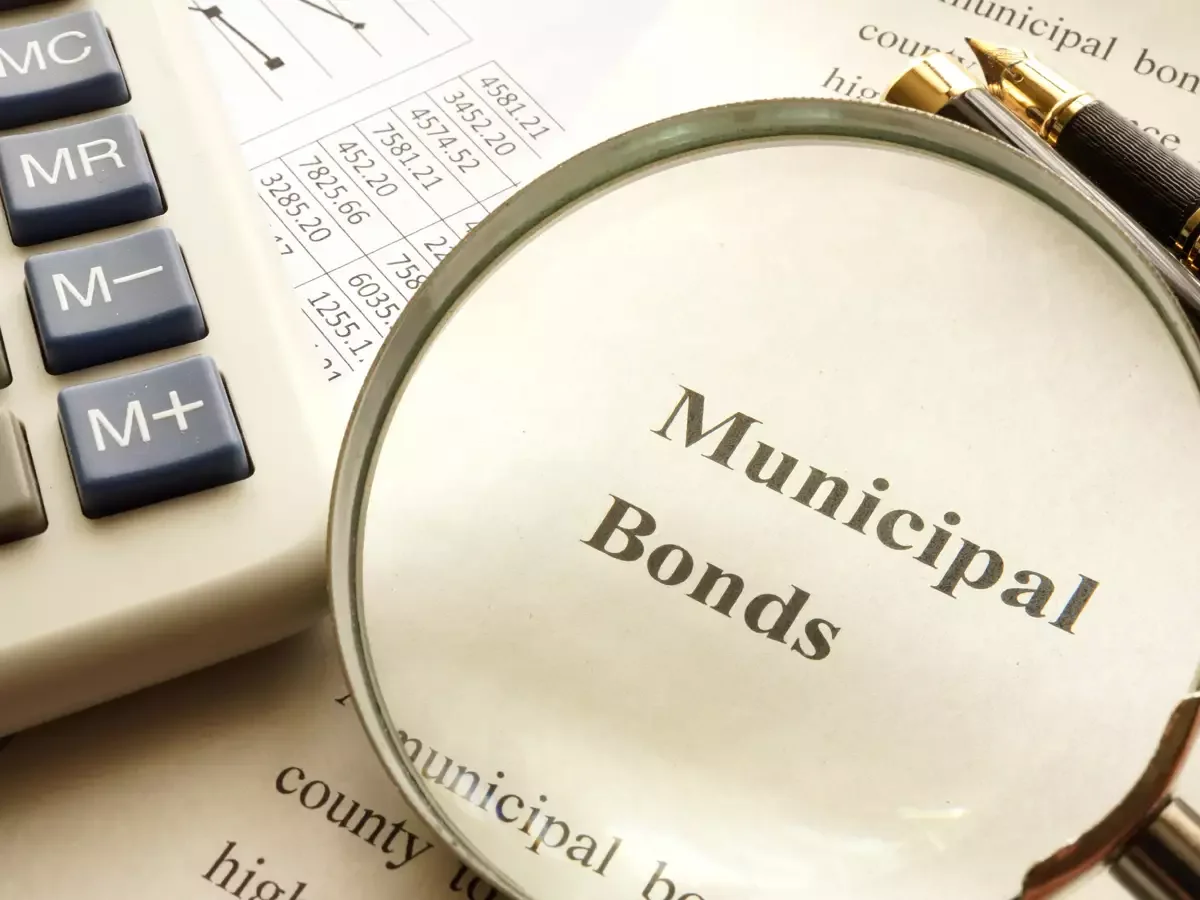
- The Ministry of Housing and Urban Affairs (MoHUA) recently organised a high-level consultation to deepen India’s Municipal Bond Market. The objective is to strengthen urban financing mechanisms as cities require large investments for infrastructure, services, and sustainable development.
- What Are Municipal Bonds?
- Municipal Bonds are marketable debt instruments issued by Urban Local Bodies (ULBs), or through intermediaries such as Corporate municipal entities, Statutory bodies and Special Purpose Vehicles (SPVs).
- It allows a city government to borrow money from investors to finance public projects. Investors receive periodic interest payments, and the principal is repaid at maturity.
- It provides cities with an alternative to dependence on State government grants, central schemes and bank loans.
- It was first issued in Bengaluru in 1997.
- Objective of Municipal Bonds: Municipal bonds are primarily used to:
- Finance capital projects (roads, water supply, sewage, metro, smart cities)
- Refinance existing loans
- Meet working capital requirements
- Improve urban infrastructure
- Regulatory Framework: Municipal bonds in India are regulated under Securities and Exchange Board of India (SEBI).
- Specifically under SEBI (Issue and Listing of Municipal Debt Securities) Regulations, 2015
- As of September 2025, 26 municipal bond issuances have been completed with around ₹3800 crore total funds being mobilized.
- Why Municipal Bonds Are Important?
- Funding Urban Growth: Provide long-term capital for essential city infrastructure like transport, water, housing, waste management, and smart projects.
- Empowering Local Bodies: Strengthen financial autonomy of Urban Local Bodies (ULBs), making them more accountable and efficient.
- Reducing Government Burden: Diversify funding sources, lowering dependence on state and central budgets for urban development.
- Strengthening Capital Markets: Help deepen India’s bond market and build a robust long-term debt ecosystem.
FAQs
Q1. What are municipal bonds?
They are debt instruments issued by Urban Local Bodies (ULBs) or related entities to raise funds from investors for city infrastructure projects.
Q2. When were municipal bonds first issued in India?
The first issuance was in Bengaluru in 1997.
Q3. What is the main objective of municipal bonds?
To finance capital projects like roads, water supply, sewage, metro systems, and smart city initiatives, while reducing dependence on state/central grants.
Q4. How are municipal bonds regulated?
By SEBI under the Issue and Listing of Municipal Debt Securities Regulations, 2015.
Q5. How much has been raised through municipal bonds so far?
As of September 2025, 26 issuances have mobilized around ₹3,800 crore.