Context
- Cardiologists in India are increasingly recommending lower LDL cholesterol targets than before, especially for people at high cardiovascular risk.
- New clinical evidence shows that aggressive LDL reduction (55–70 mg/dL) significantly lowers heart attack and stroke risk in Indians, who develop heart disease earlier and more aggressively.
- This has raised a common public concern about whether very low LDL levels could be harmful.
Understanding LDL Cholesterol and Heart Risk in India
- Heart disease is one of the biggest health challenges in India. It often appears at a younger age and progresses faster than in many Western countries. A major reason behind this is the role of LDL cholesterol, commonly known as “bad cholesterol”.
- Doctors in India now recommend stricter LDL targets, especially for people who are at high risk of heart disease. For such individuals, LDL levels of 55–70 mg/dL are advised, while below 100 mg/dL is considered acceptable for others. This has raised a common concern: Can cholesterol become too low and harm the body?
- To answer this, it is important to understand what LDL cholesterol actually is and how it affects health.
What is LDL Cholesterol?
- LDL stands for Low-Density Lipoprotein. It is not a poison or waste product.
Its role is to carry cholesterol from the liver to different parts of the body. - Cholesterol is essential for life. It is needed for:
- Building and maintaining cell membranes
- Producing important hormones such as estrogen, testosterone, and cortisol
- Making vitamin D
- Producing bile acids that help digest fats
- Because of these functions, the body must have cholesterol. LDL helps deliver it where it is required.
Why is LDL Called “Bad Cholesterol”?
The problem does not arise from LDL itself, but from excess LDL in the blood over long periods.
- When LDL levels remain high:
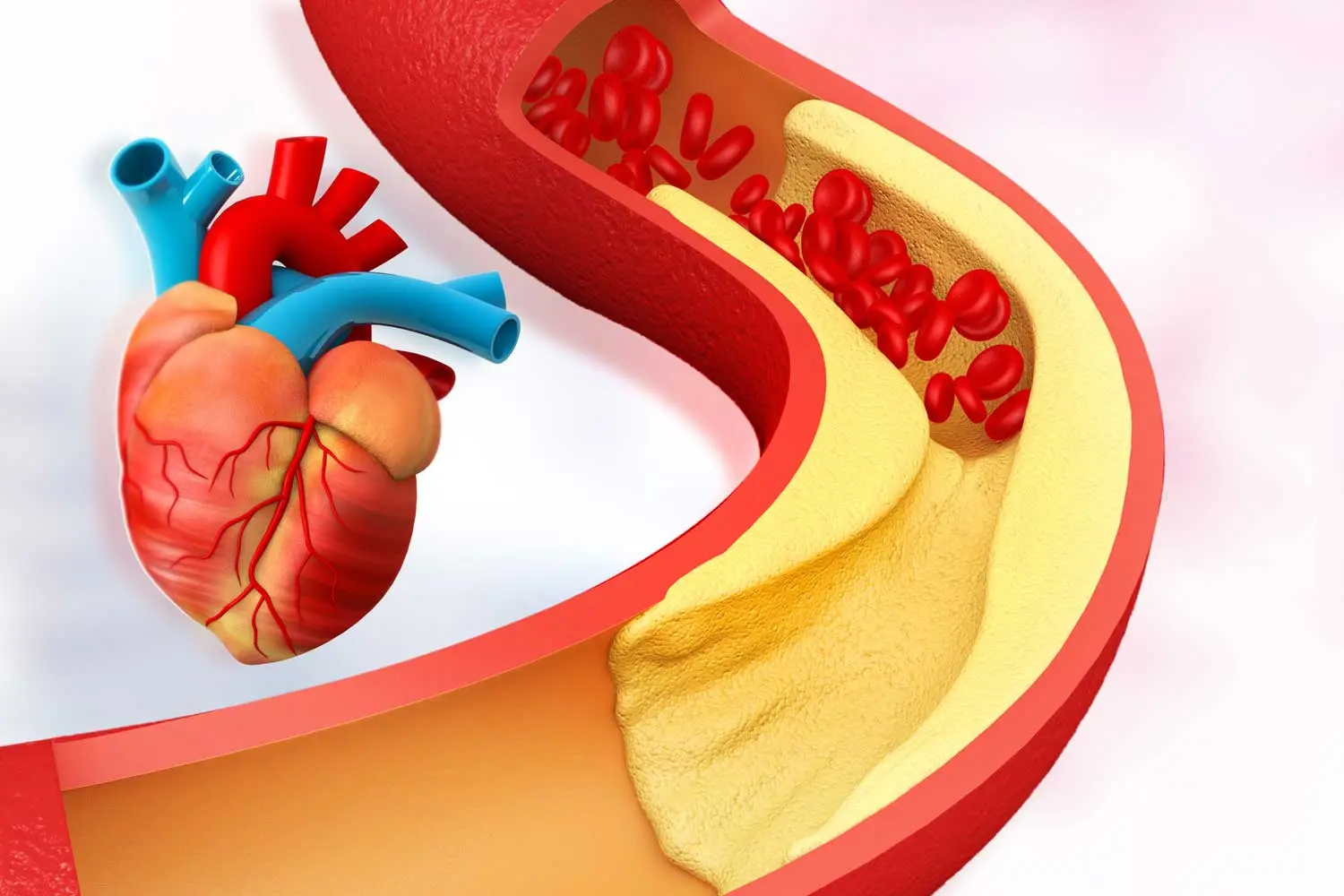
- Cholesterol gets deposited in the walls of arteries
- These deposits form plaque
- Over time, arteries become narrow and stiff
- Blood flow to the heart and brain reduces
- This process is called atherosclerosis, and it leads to heart attacks and strokes.
- In Indians, this process happens faster because:
- Coronary arteries are smaller
- There is higher inflammation
- Diabetes and insulin resistance are more common
As a result, even moderately high LDL can cause serious damage.
Why Do Doctors Recommend Lower LDL Levels in India?
Research has clearly shown that lower LDL levels reduce heart disease risk.
- When LDL is lowered through:
- Lifestyle changes (healthy diet, exercise)
- Medicines like statins
- It leads to:
- Slower plaque formation
- Stabilisation of existing plaque
- Reduced inflammation
- Lower chances of heart attacks and strokes
- This is why Indian doctors advise aggressive LDL reduction, especially for people with:
- Diabetes
- High blood pressure
- Family history of heart disease
- Early signs of artery blockage
Can LDL Cholesterol Become Too Low?
- Scientific evidence shows that:
- LDL levels down to about 30 mg/dL are generally safe
- People with certain genetic conditions naturally have LDL levels between 15–40 mg/dL throughout life without health problems
- Large medical studies have not shown serious side effects in people with very low LDL due to medicines
- Possible Concerns at Extremely Low Levels
- Some studies suggest that LDL levels below 20–25 mg/dL, especially if maintained for long periods, may be associated with:
- Bleeding-type strokes
- Mood changes
- Hormonal imbalance
- However:
- These risks are not firmly proven
- They are rare
- For most people, the benefits of lowering LDL far outweigh these theoretical risks
- Some studies suggest that LDL levels below 20–25 mg/dL, especially if maintained for long periods, may be associated with:
A Common Misunderstanding Clarified
Lowering LDL does not remove cholesterol from the body.
- The liver continues to produce cholesterol needed for hormones, digestion, and cell health
- Medicines only reduce excess cholesterol circulating in the blood
- This prevents cholesterol from forming plaque in arteries
This is why people with very low LDL levels still have normal bodily functions.
What LDL Levels Should Different People Aim For?
- High-risk individuals (diabetes, hypertension, family history):
→ 55–70 mg/dL - Others without major risk factors:
→ Below 100 mg/dL - At these levels:
- Arteries remain cleaner
- Existing plaque becomes more stable
- Long-term heart health improves significantly
Challenges & Way Forward
| Challenges | Way Forward |
| Fear among patients about very low LDL levels | Doctors should explain the difference between circulating LDL and essential body cholesterol |
| Late detection of plaque and heart disease | Promote early screening, especially for high-risk individuals |
| Poor lifestyle adherence | Strengthen counselling on diet, exercise, and long-term compliance |
| Overgeneralisation of targets | Use personalised, risk-based LDL goals |
| Limited awareness of Indian-specific risk | Incorporate India-focused guidelines into routine practice |
Conclusion
Lowering LDL cholesterol is one of the most effective ways to prevent heart disease in India. Evidence shows that LDL levels as low as 30 mg/dL are safe for most people, while levels of 55–70 mg/dL offer strong protection for high-risk individuals. The aim is balance — maintaining enough cholesterol for vital functions while preventing arterial damage. For India’s growing cardiovascular burden, stricter LDL control is not dangerous; it is essential.
| EnsureIAS Mains Question
Q. Why are stricter LDL cholesterol targets recommended for Indian patients? Discuss the benefits and concerns associated with aggressive LDL lowering in cardiovascular disease prevention. (250 Words) |
| EnsureIAS Prelims Question
Q. Consider the following statements regarding LDL cholesterol: 1. LDL cholesterol plays an essential role in hormone production and cell membrane integrity. 2. LDL levels below 30 mg/dL are conclusively proven to cause serious health complications. 3. Lowering circulating LDL reduces plaque formation in arteries. Which of the statements are correct? Answer: a) Explanation: Statement 1 is correct: Statement 2 is incorrect: Statement 3 is correct: |