Context
Recent scientific studies and monitoring data from 2023–2025 reveal extreme PM2.5 levels, rising pollution-linked mortality, and deepening health inequities. Experts now call for recognising clean air as a fundamental right essential for equitable development.
India’s Air Pollution Crisis
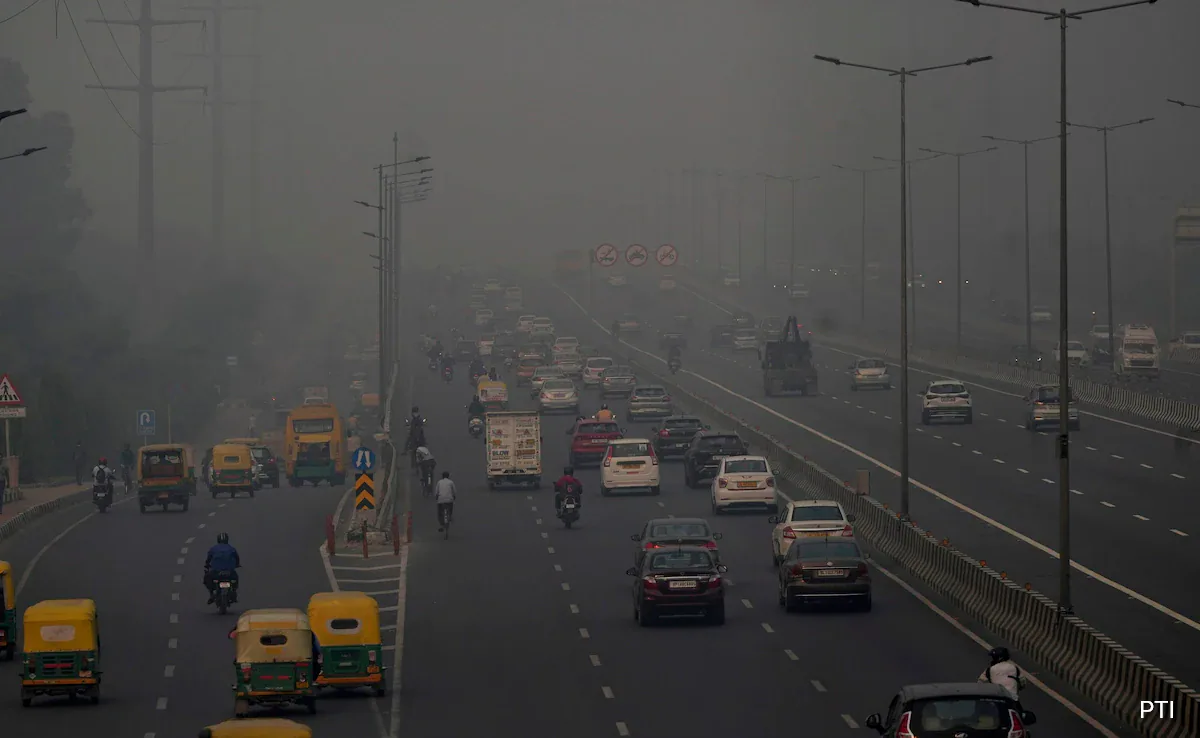
Air pollution in India has transformed from a seasonal winter issue to a widespread national emergency. Key elements include:
- Persistent high PM2.5 concentrations across the Indo-Gangetic plain and growing urban centres.
- Extreme exceedances of national and WHO standards: many cities now experience hazardous air for large parts of the year.
- Inadequate Air Quality Index (AQI) thresholds that fail to reflect real-time severity.
- Massive health burden, including loss of life expectancy, rise in chronic diseases, and severe impacts on children, pregnant women, and the elderly.
- Structural pollution sources that operate year-round and worsen during seasonal events.
The crisis is systemic, affecting nearly every demographic group and organ system.
Why Has the Situation Worsened?
- Outdated regulatory frameworks:
- India’s AQI caps at 500, even though pollution levels often exceed 600–1,000.
- Thresholds do not capture the magnitude of harm at extreme levels.
- High baseline pollution from structural sources:
- Vehicular emissions
- Industrial operations
- Construction dust
- Informal waste burning
- Household biomass use
Seasonal events like stubble burning only exacerbate a consistently high baseline.
- Inadequate implementation of NCAP:
- Targets remain modest.
- Weak enforcement and limited monitoring capacity persist.
- Rapid urbanisation and population growth:
- Increased traffic, construction, energy demand, and waste generation.
- Deep social inequalities:
- Poorer communities live closer to emission hotspots and have limited access to healthcare and clean fuels.
How the Crisis Is Unfolding?
- Scale of Pollution (2025 Data)
- Of 256 monitored cities, 150 exceeded the national PM2.5 standard.
- Delhi recorded seasonal PM2.5 levels of 107–130 µg/m³, far above:
- India’s limit: 60 µg/m³
- WHO guideline: 15 µg/m³
- Inadequate AQI System
- AQI cap at 500 masks extreme pollution.
- Real-time levels often exceed 600–1,000.
- Experts demand:
- Recalibration
- Removal of upper cap
- Modern monitoring technologies
- Health Impacts Intensify
- Life expectancy loss:
- 46% of Indians live in areas where pollution reduces life expectancy.
- Delhi residents lose 8+ years.
- Life expectancy loss:
- Northern India: 3.5–7 years.
- Mortality burden:
- Nearly 2 million deaths (2023) linked to pollution.
- 43% rise in pollution-linked mortality since 2000.
- 5 and the Human Body
- Cardiovascular:
- PM2.5 enters bloodstream; causes systemic inflammation.
- 8% annual mortality increase per 10 µg/m³ rise in long-term exposure.
- Cardiovascular:
- Linked to heart attacks, hypertension, and strokes.
- Respiratory:
- Asthma in 6% of Indian children.
- 10–15% reduction in lung capacity among heavily exposed children.
- 20–40% spike in emergency cases at small PM2.5 increases.
- Neurological:
- PM2.5 crosses blood–brain barrier; causes neuroinflammation.
- Higher risks of dementia (35–49% increase).
- Impaired memory, cognition, academic performance in children.
- Maternal & Neonatal:
- Associated with preterm birth, low birth weight, stillbirths, neonatal mortality.
- Inequity Dimensions
- Urban poor live near high-emission areas.
- Greater outdoor exposure and inadequate healthcare.
- Winter AQI in States such as Delhi, Punjab, Haryana, Uttar Pradesh, Bihar frequently turns “hazardous”.
- Misplaced Public Focus
- Discourse fixates on stubble burning or fireworks.
- Actual crisis stems from year-round structural emissions.
Implications
- Public health catastrophe: Rising chronic diseases across age groups.
- Reduced workforce productivity: Life expectancy loss and chronic illness burden hinder economic growth.
- Intergenerational inequality: Children suffer permanent lung, brain, and developmental deficits.
- Increased healthcare costs: Long-term treatment for heart disease, COPD, and neurological issues.
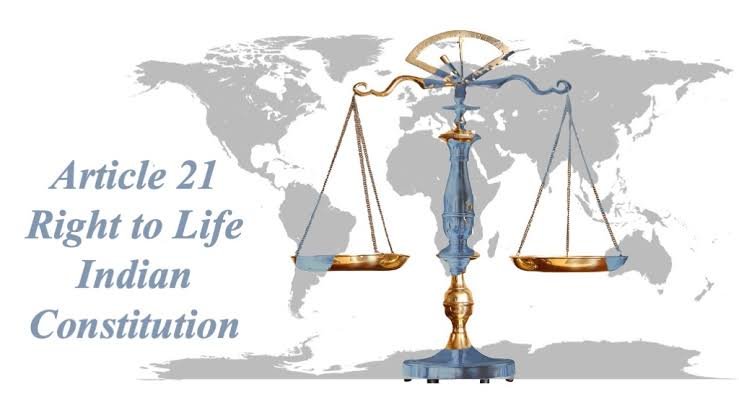
- Demand for constitutional recognition: Clean air increasingly seen as a fundamental right tied to Article 21.
Challenges & Way Forward
| Challenges | Way Forward |
| Outdated AQI thresholds and monitoring | Recalibrate AQI scale, remove 500 cap, deploy modern sensors |
| High pollution from transport | Electrify fleets, expand public transport, low-emission zones |
| Industrial pollution | Enforce emission controls, transition away from coal |
| Construction and road dust | Mandate dust suppression, mechanised sweeping |
| Waste burning | Segregation, decentralised waste processing, biomethanation |
| Weak health integration | Include AQI in health advisories, school lung tests, COPD screening |
| Inequitable exposure | Strengthen housing, clean cooking fuel access, targeted interventions |
Conclusion
India’s air pollution crisis is now a structural public health emergency that demands urgent, science-driven, multi-sectoral action. Clean air must be recognised as a fundamental right central to equitable growth, human dignity, and national development. Protecting air quality is no longer optional — it is a non-negotiable national priority.
| EnsureIAS Mains Question
Q. India’s air pollution crisis reflects deep structural sources, outdated regulatory systems, and widening health inequities. Discuss the scientific and institutional dimensions of the crisis and outline a multi-sectoral strategy to recognise clean air as a fundamental right. (250 Words) |
| EnsureIAS Prelims Question
Q. Consider the following statements regarding PM2.5 pollution in India: 1. India’s Air Quality Index currently caps its maximum value at 500, even though real-time pollution can exceed this level. 2. According to recent estimates, Delhi’s PM2.5 exposure reduces life expectancy by more than eight years. 3. Most air pollution in India is caused solely by seasonal factors such as stubble burning. Which of the statements is/are correct? Answer: a) 1 and 2 only Explanation: Statement 1 is correct: India’s AQI caps at 500 despite higher real-time values. Statement 2 is correct: Delhi’s PM2.5 exposure causes over eight years of life-loss. Statement 3 is incorrect: Structural, year-round sources (transport, industry, waste burning) are the main contributors; seasonal factors only worsen the situation. |