What are Districts?
- Districts are local administrative units in India, inherited from the British Raj.
- They form the tier of local government immediately below India’s states and territories.
-
District Administration:
- A district is headed by a Deputy Commissioner (DC) or Collector.
- The DC/Collector is responsible for overall administration and law and order in the district.
- The Deputy Commissioner is typically an officer from the Indian Administrative Service (IAS).
-
Sub-Divisions of Districts:
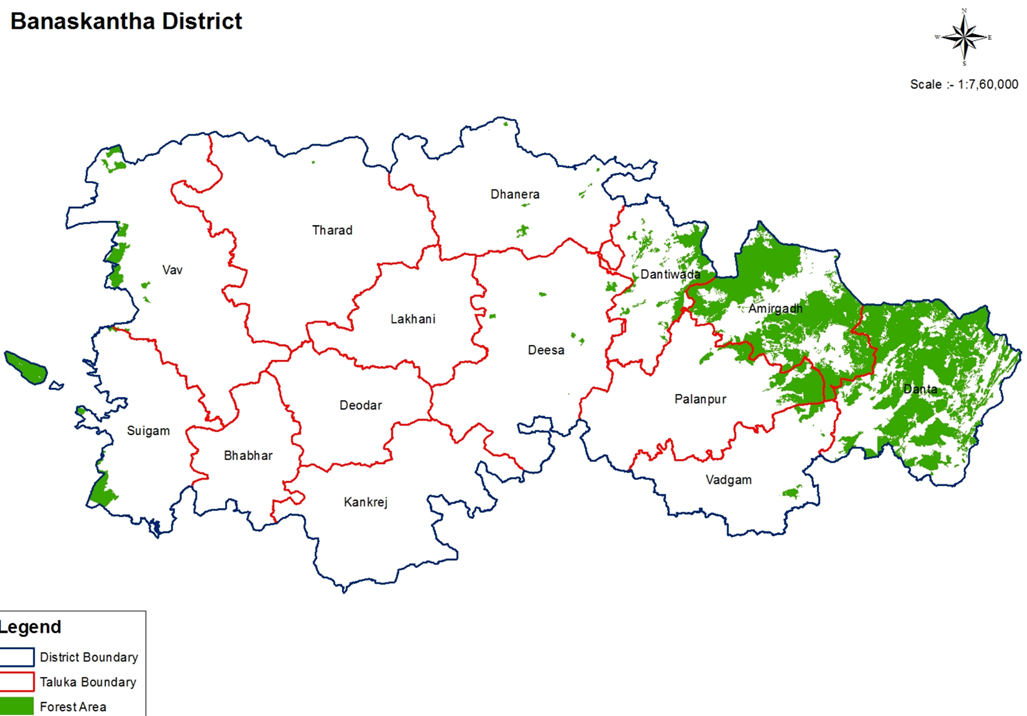
- Districts are often further divided into smaller administrative units, such as:
- Tehsils or Talukas (in most regions).
- Mandals (in some regions, especially in southern India).
How are New Districts Carved?
-
Authority:
- The State governments have the power to create, alter, or abolish districts.
- This is typically done through either:
- Executive orders (preferred by many states).
- Passing a law in the State Assembly.
-
Notification Process:
- Most states issue a notification in the official gazette to create a new district or change an existing one.
Why are New Districts Created?
-
Improved Administration:
- Smaller districts are believed to lead to better governance and administration.
- By splitting larger districts into smaller ones, state governments aim to ensure more efficient delivery of services and quicker decision-making.
-
Example:
- In 2016, the Assam government upgraded the Majuli sub-division to Majuli district for administrative expediency.
Does the Central Government Have a Role?
-
Central Government’s Role:
- The Central Government does not play a role in the creation or alteration of districts.
- States are free to make such decisions independently.
-
Exception – Changing Names:
- The Ministry of Home Affairs (MHA) gets involved if a state wants to change the name of a district or a railway station.
-
Procedure for Name Change:
- The State government submits a request to the MHA.
- The request is then sent to other relevant departments like:
- Ministry of Earth Sciences.
- Intelligence Bureau.
- Department of Posts.
- Geographical Survey of India.
- Railway Ministry.
- After reviewing feedback from these agencies, a no-objection certificate (NOC) may be issued.
|