Why in the News?
- Over 190 countries have gathered in Geneva for the second part of the fifth session (INC-5) of the UN Intergovernmental Negotiating Committee (INC) to finalize a legally binding Global Plastics Treaty.
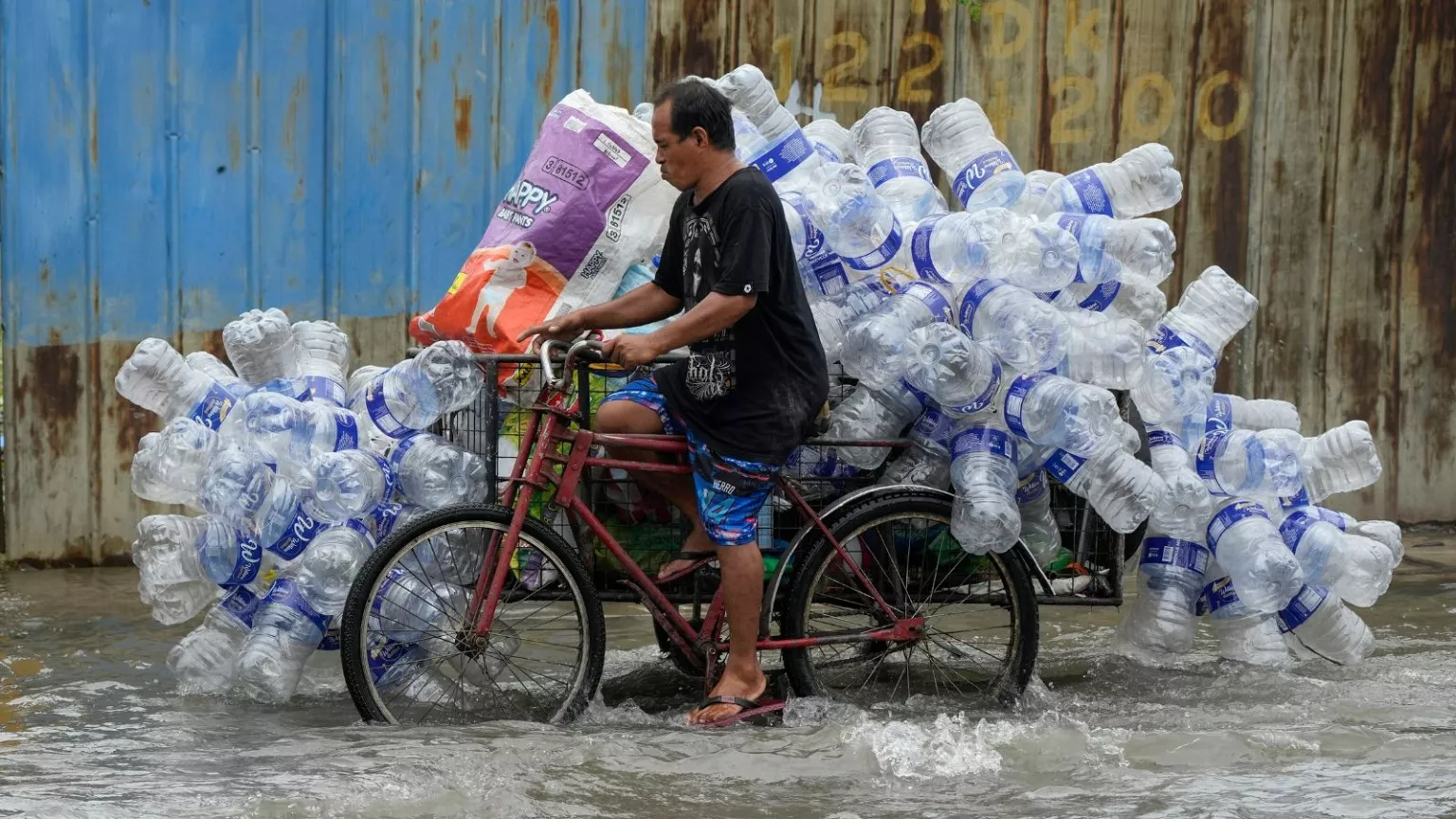
- The negotiations aim to address plastic pollution through its full life cycle, from production (which uses polluting fossil fuels) to disposal and recycling.
- This round of talks comes after the failure of the previous INC-5 session in Busan, South Korea in 2023, due to disagreements on key provisions like production caps, harmful chemicals, and trade barriers.
Key Highlights
- Objective of the Geneva Meeting
- Aims to break the deadlock from previous negotiations and draft a treaty to end plastic pollution.
- Focus on legally binding rules covering the entire plastic life cycle.
- Historical Context and Timeline
- In 2022, the UNEA adopted a resolution in Nairobi to develop the treaty by the end of 2024.
- This treaty is considered the most significant environmental agreement since the Paris Agreement (2015).
- Previous Negotiation Failures
- INC-5’s first session in Busan failed due to:
- 370 bracketed provisions in the draft (indicating lack of consensus).
- Contentious issues like production caps, chemical phase-outs, and problematic plastic bans.
- INC-5’s first session in Busan failed due to:
- Opposition from oil-rich countries to production cuts.
- Global Plastics Treaty Initiative
- What It Is:
- A proposed legally binding international treaty under the UN to end plastic pollution across its entire life cycle, from production to disposal, by 2024.
- It is being developed through the Intergovernmental Negotiating Committee (INC) set up by UNEP.
- Why It Matters:
- Aims to tackle rising plastic pollution that threatens ecosystems, public health, and the climate.
- Global plastic production is expected to triple by 2060, while plastic waste and health-related economic costs are already soaring.
- Key Features & Debates:
- The treaty may include caps on plastic production, bans on toxic additives, and global compliance rules.
- However, negotiations are facing resistance from oil-rich and developing countries, including India, over production cuts and trade restrictions.
- Intergovernmental Negotiating Committee (INC)
- INC is a formal international body established to develop a legally binding global treaty or agreement.
- In the context of plastics pollution, the INC was set up by the United Nations Environment Assembly (UNEA) in 2022 to negotiate an international legally binding instrument to end plastic pollution, including in the marine environment.
- Key Stakeholder Positions
- Oil-rich nations: Oppose production caps; argue it’s beyond the 2022 resolution.
- High-ambition countries (Rwanda, Peru, Mexico): Support production cuts and stronger regulation.
- India: Wants consensus-based decisions, opposes production cuts and trade barriers, prefers focusing on reducing plastic pollution
- Scientific and Civil Society Push
- Lancet report: Plastic pollution causes disease, death, and $1.5 trillion in annual health-related economic losses.
- Civil society calls the treaty a “once-in-a-lifetime opportunity” to cap plastic production and protect the environment and health.
- What It Is:
Implications
- Global Environmental Governance
- The treaty may set precedents for international environmental law, akin to the Paris Climate Agreement.
- Could initiate a global regulatory regime for plastics.
- Health and Economic Impact
- Addressing plastic pollution could reduce disease burden and save trillions in health costs.
- May benefit vulnerable communities most affected by plastic waste and associated pollution.
- Climate Change Mitigation
- Plastic production’s link to fossil fuel use makes this treaty relevant to broader climate goals.
- Cutting production may help reduce greenhouse gas emissions.
- Geopolitical and Trade Dimensions
- Disagreements highlight North-South divides and conflicts between economic interests and environmental priorities.
- Treaty terms could influence global trade in plastics and polymers.
- India’s Role and Strategic Interests
- India’s demand for no production cap reflects concern over industrial growth, trade autonomy, and domestic recycling capacity.
- India’s nuanced position may shape the final treaty language and balance between ambition and feasibility.
Challenges and Way Forward
| Challenges | Way Forward |
| Disagreement over production caps and definitions of harmful plastics | Use scientific data and consensus mechanisms to define clear thresholds |
| Oil-producing nations resisting regulation | Offer incentives for transition, such as technology transfer and finance |
| India and others opposing trade barriers and primary polymer curbs | Promote flexibility mechanisms within treaty text |
| Treaty draft with 370 unresolved bracketed points | Create thematic sub-groups to streamline consensus |
| Lack of binding accountability and enforcement framework | Establish a global compliance mechanism with monitoring and reporting |
Conclusion
The Geneva session of the Intergovernmental Negotiating Committee marks a pivotal moment in humanity’s response to the global plastic crisis. As negotiations resume with high expectations and sharp divisions, countries have the opportunity to create a transformative treaty that addresses plastic pollution from cradle to grave. Success will depend on balancing environmental urgency with economic realities, and fostering global solidarity for a cleaner, healthier future.
| EnsureIAS Mains Question
Q. Discuss the significance of the proposed Global Plastics Treaty in combating plastic pollution. What are the key challenges faced in the ongoing negotiations, and how should India position itself to balance environmental protection with developmental priorities? (250 Words) |
| EnsureIAS Prelims Question Q. Consider the following statements regarding the Global Plastics Treaty initiative:1. The treaty aims to address plastic pollution through its entire life cycle—from production to disposal.2. The Intergovernmental Negotiating Committee (INC) is responsible for drafting this legally binding treaty. 3. The Global Plastics Treaty was first proposed at the Paris Climate Agreement in 2015. 4. India supports capping global plastic production as part of the treaty. Which of the above statements are correct? Answer: a. 1 and 2 only Explanation: |