Context
- In recent times, pollution from plastics and synthetic clothes has been rising at an alarming pace.
- To tackle this challenge, countries are searching for cleaner ways to make everyday consumer products.
- Biomaterials are emerging as a promising solution, as they create less waste, are eco‑friendly, and can help build a healthier future.
What are biomaterials and What are its Three Types?
- Biomaterials are materials that come from natural sources (like plants, algae, or microbes) or are made using biological processes.
- They are designed to replace or work alongside traditional materials such as plastics or metals.
- They are increasingly used across sectors such as packaging, textiles, construction, and healthcare.
- The big advantage is that they are more eco‑friendly and can reduce pollution.
- 3 Types of Biomaterials:
- Drop-in Biomaterials: They are chemically same as petroleum-based materials and can fit into existing factories and systems without change. Example: Bio‑PET (plant‑based version of PET plastic).
- Drop-out Biomaterials: They are chemically different from petroleum products and need new processing methods or recycling systems. Example: PLA (Polylactic Acid), a biodegradable plastic made from corn starch.
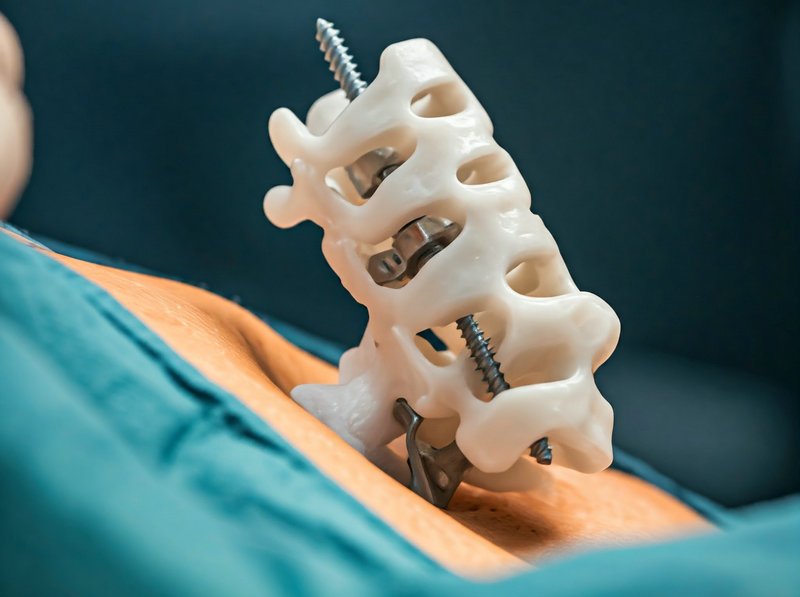
- Novel Biomaterials: They are completely new materials with unique properties and can do things traditional materials cannot, like self‑healing or interacting with the body. Examples: bioactive implants, advanced composites.
Why does India need Biomaterials?
By using biomaterials, India can move forward to achieve multiple goals:
- Environmental Sustainability: Plastics and fossil‑based materials create huge waste and pollution. Biomaterials are eco‑friendly and help India meet goals like reducing single‑use plastics and fighting climate change.
- Industrial Growth: By making biomaterials at home, India can cut down on costly imports of plastics and chemicals, while building new industries that create jobs and revenue.
- Support for Farmers: Agricultural leftovers like crop residues can be turned into biomaterials. This gives farmers extra income beyond food markets and reduces waste burning.
- Global Competitiveness: As the world shifts to low‑carbon and circular products, biomaterials help Indian companies stay competitive in exports and meet international standards.
Where does India Stand Today?
- Growing Market: India’s biomaterials sector, covering bioplastics, biopolymers, and bio‑derived materials, is expanding quickly. The bioplastics market alone was valued at about $500 million in 2024 and is expected to grow strongly through the decade.
- Major Investments: Big projects are underway, such as Balrampur Chini Mills’ planned PLA plant in Uttar Pradesh, one of the largest biomaterial investments in the country.
- Domestic Innovation: Startups are driving creativity. Example: co turns temple flower waste into biomaterials, while Praj Industries is building a demonstration‑level bioplastics plant (like a trial factory to demonstrate feasibility).
- Despite India’s rich agricultural base, some sectors still depend on foreign technologies to convert feedstocks into finished products.
What are the Challenges and the Way Forward?
| Challenges | Way Forward |
| 1. Feedstock competition with food sources if agricultural residues and crops don’t scale with rising demand. | Boost feedstock productivity (sugarcane, maize, residues) using new technologies and diversify sources to avoid food vs material conflict. |
| 2. Water stress and soil deterioration from aggressive farming practices. | Promote sustainable farming methods and integrate biomaterial production with climate‑smart agriculture. |
| 3. Weak waste‑management and composting infrastructure undermines environmental benefits. | Build end‑of‑life systems: recycling, industrial composting, and clear pathways for biomaterials disposal. |
| 4. Fragmented policy coordination across agriculture, environment, and industry slows adoption. | Establish integrated policy frameworks, clear regulatory definitions, and labelling norms to build confidence. |
| 5. Risk of import dependence if India moves slowly while other countries scale faster. | Accelerate biomanufacturing infrastructure (fermentation, polymerisation), support pilot plants/shared facilities, and incentivise early investments. |
Conclusion
Biomaterials offer India a unique opportunity to reduce pollution, strengthen industrial growth, support farmers, and remain globally competitive. With coordinated policies, sustainable farming, and strong biomanufacturing infrastructure, biomaterials can become a key pillar of India’s green and circular economy.
| Ensure IAS Mains Question
Q. Biomaterials are emerging as a sustainable alternative to conventional plastics and synthetic materials. Discuss the types of biomaterials, their relevance for India, and the challenges involved in scaling their production. (250 words) |
| Ensure IAS Prelims Question
Q. Consider the following statements regarding biomaterials: 1. Drop-in biomaterials are chemically identical to petroleum-based materials and can be used in existing industrial systems. 2. Drop-out biomaterials always require fossil-fuel-based inputs for their production. 3. Biomaterials can support India’s environmental, industrial, and agricultural objectives. How many of the statements given above are correct? [A] Only one [B] Only two [C] All three [D] None Answer: [B] Only two Explanation Statement 1 is correct: Drop-in biomaterials have the same chemical structure as petroleum-based materials, allowing them to be used in existing factories and supply chains without modification. Statement 2 is incorrect: Drop-out biomaterials are chemically different from petroleum-based products and are often made from renewable biological sources such as corn starch or sugarcane. Statement 3 is correct: Biomaterials help reduce pollution, promote domestic manufacturing, provide additional income sources for farmers, and improve India’s global competitiveness. |