Context
Recent studies show that fluorescent proteins can detect magnetic fields and respond to radio waves, suggesting their potential use as quantum sensors—far beyond their traditional role as optical markers.
About Fluorescent Proteins
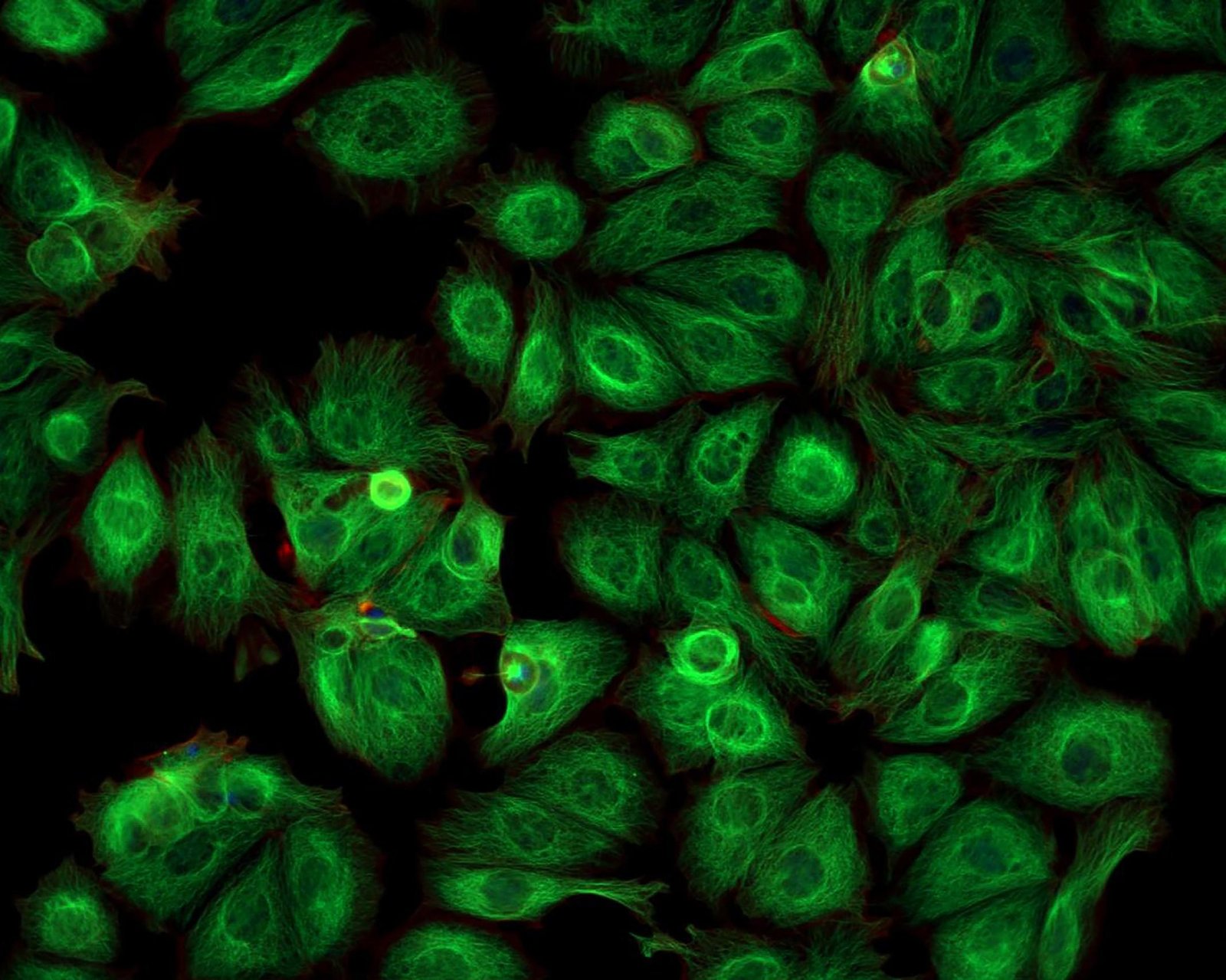
- They are the biological macromolecules that emit visible light when excited by ultraviolet or blue light.
- They were initially derived from organisms such as the jellyfish Aequorea victoria and certain corals.
- Fluorescent proteins revolutionised modern biology by allowing scientists to directly visualise molecular processes inside living cells.
- They are widely used in cancer research, neural circuit mapping and protein localisation and tracking.
- Breakthrough Discovery: The discovery of Green Fluorescent Protein (GFP) was recognised with the Nobel Prize in Chemistry, highlighting its transformative impact on life sciences.
- New Research Direction: Recent findings indicate that fluorescent proteins can sense magnetic fields and respond to radio-frequency signals. This opens possibilities for their use as biological quantum sensors, potentially enabling non-invasive measurement of physical forces inside living systems.
FAQs
Q1. What are fluorescent proteins?
They are biological macromolecules that emit visible light when excited by UV or blue light.
Q2. Where were fluorescent proteins first discovered?
Initially derived from organisms like the jellyfish Aequorea victoria and certain corals.
Q3. Why are fluorescent proteins important in biology?
They revolutionised modern biology by enabling direct visualisation of molecular processes inside living cells. Widely used in cancer research, neural circuit mapping, and protein tracking.
Q4. What was the breakthrough discovery in fluorescent proteins?
The discovery of Green Fluorescent Protein (GFP) earned the Nobel Prize in Chemistry, highlighting its transformative impact.
Q5. What is the new research direction in fluorescent proteins?
Recent studies show fluorescent proteins can sense magnetic fields and respond to radio waves, opening possibilities for their use as biological quantum sensors.