Important questions for UPSC Pre/ Mains/ Interview:
|
Context
The rapid adoption of Artificial Intelligence (AI) in the financial sector is transforming operations, improving efficiency, and enhancing customer experience. However, it also raises concerns related to job displacement, ethical bias, and systemic risks, making regulation and governance crucial.
Q1. What is Artificial Intelligence in finance and how is it used?
- Artificial Intelligence (AI) refers to the use of machine learning, data analytics and algorithms to simulate human decision-making.
- In finance, AI is used to automate processes, analyse large datasets and improve accuracy and speed.
- Key applications include credit scoring models, algorithmic trading systems, portfolio management tools and customer service chatbots.
- Financial institutions are increasingly adopting AI to remain competitive in a data-driven ecosystem.
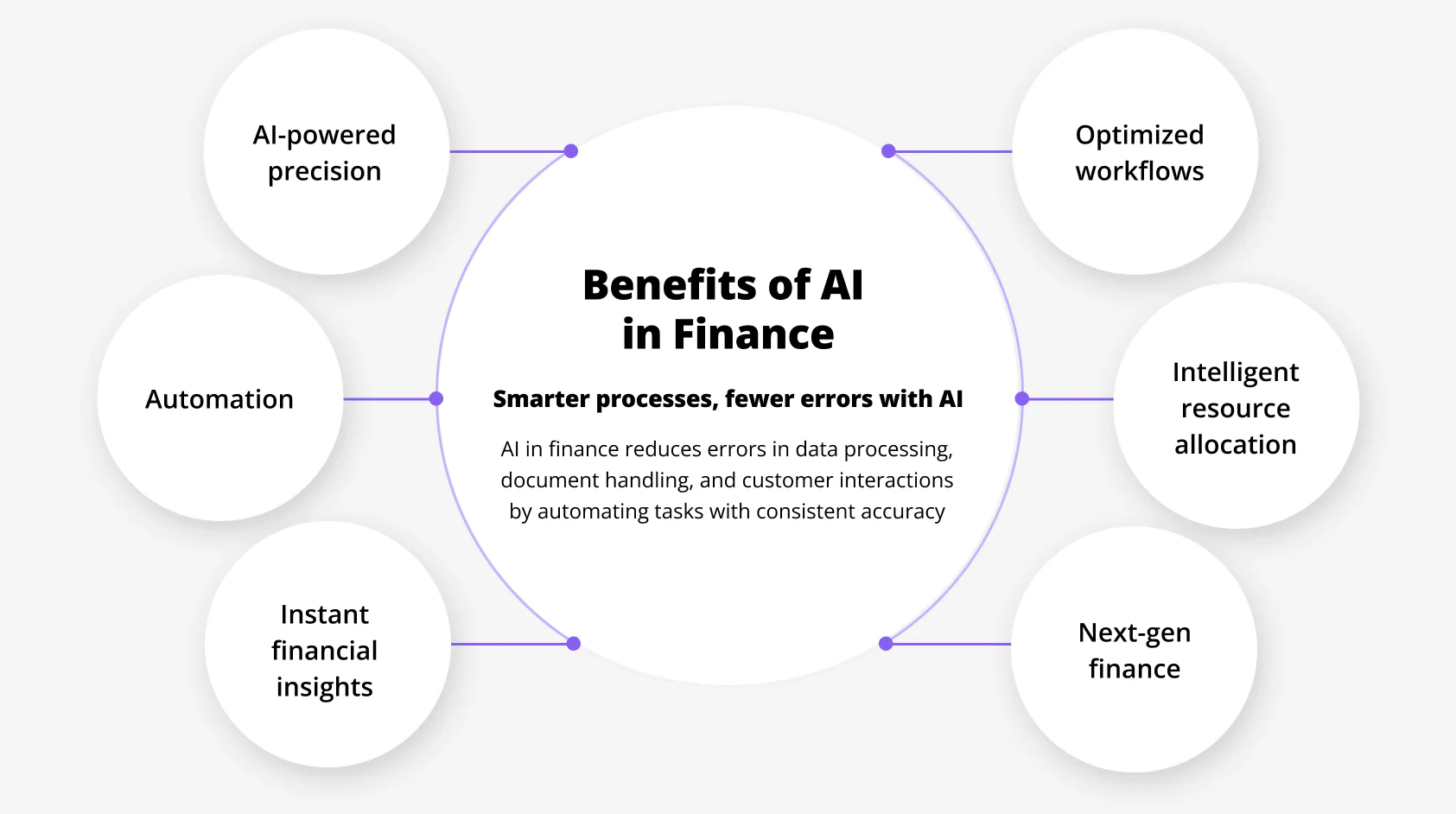
Q2. What are the key benefits of AI in the financial sector?
- Operational efficiency
- Processes large volumes of data in real time
- Reduces manual intervention and operational costs
- Enables faster and more accurate decision-making
- Risk management and fraud detection
- Detects anomalies in financial transactions
- Predicts risks using advanced analytics
- Improves fraud detection speed and accuracy
- Customer experience
- Provides 24/7 support through AI-driven chatbots
- Enables personalised financial services and recommendations
- Enhances service delivery and user satisfaction
Q3. What challenges and risks does AI pose in finance?
- Job displacement
- Automation threatens roles involving repetitive tasks
- Large-scale workforce disruption possible in data processing & routine financial analysis.
- Ethical concerns and bias
- AI systems depend on historical data
- Biased datasets can lead to discriminatory lending decisions & unequal financial access.
- Raises concerns about fairness, transparency, and accountability
- Cybersecurity risks
- AI systems are vulnerable to data breaches and algorithm manipulation.
- Increased reliance on digital systems raises systemic financial risks
Q4. How is AI transforming employment and skill requirements in finance?
- AI is shifting demand from routine jobs to high-skill roles.
- Emerging roles include data scientists, AI system managers, digital risk analysts and compliance and regulatory experts.
- Changing skill requirements
- Analytical and problem-solving abilities
- Digital literacy and programming skills
- Ability to interpret AI outputs
- Continuous reskilling and upskilling is becoming essential.
- While some jobs are lost, new technology-driven roles are also created.
Q5. What are the global trends in AI adoption in finance?
- The majority of financial institutions are using AI and piloting AI-based solutions.
- AI adoption is driven by need for efficiency, competitive pressure & data-intensive operations.
- AI systems are reducing investigation time and improving operational outcomes.
- The global AI-finance market is expected to grow significantly in the coming years.
Q6. Why is regulation and governance of AI necessary?
- AI can impact financial stability, consumer trust and market fairness.
- Key governance requirements
- Transparent and explainable AI systems
- Ethical use of data and algorithms
- Accountability mechanisms for decisions
- Strong cybersecurity frameworks
- International organisations emphasise the need for responsible AI deployment, regulatory oversight and risk management frameworks.
Q7. What are the key trade-offs in AI adoption in finance?
| Aspect | Benefits | Risks |
| Efficiency | Faster, cost-effective operations | Job losses |
| Decision-making | Data-driven accuracy | Algorithmic bias |
| Innovation | New financial products | Cyber vulnerabilities |
| Automation | Reduced manual work | Reduced human oversight |
Conclusion
Artificial Intelligence is reshaping the financial sector by enhancing efficiency, risk management, and customer experience. However, its adoption brings significant challenges related to employment, ethics, and cybersecurity. A balanced approach combining technological innovation with strong regulatory oversight is essential to ensure that AI strengthens financial systems while safeguarding fairness, stability, and public trust.