Context
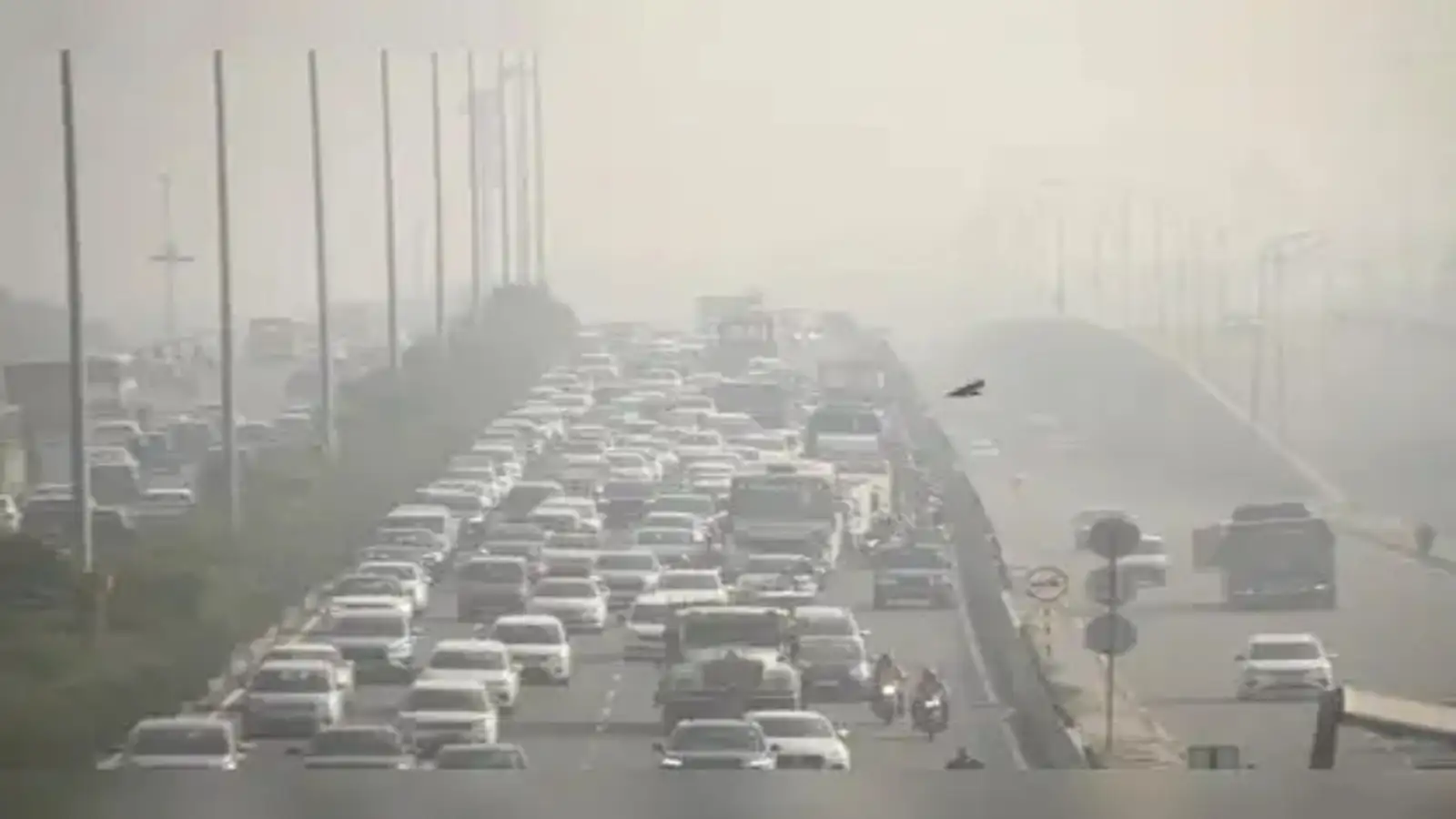
- Increasing winter pollution in Delhi is leading to a sharp rise in rheumatoid arthritis (RA) flare-ups.
- AIIMS research shows a strong link between long-term PM2.5 exposure and early immune system changes.
- Hospitals report a yearly spike in symptoms from November to February, coinciding with hazardous AQI levels.
What is Rheumatoid Arthritis?
- A chronic autoimmune disease in which the immune system mistakenly attacks joint lining (synovium).
- Causes swelling, stiffness, pain, fatigue, and long-term joint damage.
- Can also affect eyes, lungs, blood vessels, heart, and skin.
- No cure, but symptoms can be controlled with immunosuppressive drugs.
Why Pollution Triggers Autoimmune Reactions
- 5 Entry Into the Body
- Tiny particles (2.5 microns) easily enter the lungs.
- They move from the lungs into the bloodstream.
- Systemic Inflammation
- 5 particles act as strong oxidizers.
- They damage cells, tissues, and proteins → causing widespread inflammation.
- Immune System Rewiring
- Polluted air alters proteins in the airway lining.
- The body no longer recognises these altered proteins → a “breach of immune tolerance”.
- Molecular Mimicry
- Altered proteins begin to resemble synovial lining of joints.
- Immune system attacks both the altered proteins and the synovium.
- Leads to joint inflammation and higher risk of autoimmune diseases.
| Synovial Lining (Synovium)
The synovial lining, or synovium, is a thin, soft tissue layer that lines the inside of joints. It produces synovial fluid, which lubricates the joint, reduces friction, and keeps the bones moving smoothly. |
How Pollution Leads to Winter Flare-Ups
- Cold weather causes stiffness but not inflammation.
- 5 exposure triggers inflammation, especially during winter when pollution peaks.
- AIIMS OPDs observe predictable seasonal patterns:
- Stable patients (March–October)
- Symptom flare-up (November–February)
- Clinical Pattern Noted Each Year
- Increased joint swelling
- Severe morning stiffness
- Reduced mobility
- Fatigue and exhaustion
- Higher hospital visits
- Key Findings from AIIMS Studies
- Autoantibody Presence Near High-Pollution Zones
- People living within 50 metres of arterial roads show higher autoantibody levels.
- Autoantibodies signify early immune system alteration even before RA symptoms appear.
- Pre-clinical Autoimmunity
- About 20% of Delhi’s population may have early markers of autoimmune disease due to pollution.
- Long-Term Exposure
- Pollution does not cause RA immediately; it develops after years of exposure.
- Chronic inflammation accelerates disease progression.
Implications
- Public Health Burden: Rising autoimmune diseases increase long-term healthcare costs and disability.
- Elderly Vulnerability: Higher pollution-induced inflammation worsens arthritis, heart disease, hypertension.
- Pressure on Hospitals: Winter months bring predictable spikes in OPD load.
- Economic Impact: Reduced mobility lowers productivity, especially for older workers.
- Policy Relevance: Strengthens case for strict air pollution control and targeted health interventions.
- Environmental Justice: People living near major roads face higher disease risk due to unequal exposure.
Challenges and Way Forward
| Challenges | Way Forward |
| Rising PM2.5 levels during winter worsen inflammation and trigger autoimmune reactions. | Strengthen urban air-quality management, enforce emission norms, and expand monitoring. |
| High exposure near arterial roads increases early autoantibody formation. | Create green buffers, restrict construction dust, and relocate high-emission activities. |
| Patients unaware of pollution–immune link and ignore early symptoms. | Public awareness campaigns on pollution-related autoimmunity and preventive steps. |
| Elderly and chronic patients face severe flare-ups. | Promote indoor exercise, protective masks, air purifiers, and seasonal medical plans. |
| Lack of personalised preventive strategies. | Develop community-based screening for autoantibodies in high-risk zones. |
Conclusion
A cleaner environment is now central to preventing chronic autoimmune diseases. Reducing air pollution, improving early detection, and enabling patient-friendly preventive measures can significantly reduce winter flare-ups and protect long-term health. Strengthening both environmental and public health policies is essential to limit the growing burden of rheumatoid arthritis in polluted cities.
| EnsureIAS Mains Question
Q. Discuss the link between air pollution and the rising incidence of autoimmune diseases in urban India. How can public health systems and environmental policy work together to reduce this emerging health burden? (250 Words) |
| EnsureIAS Prelims Question
Q. With reference to the link between air pollution and autoimmune diseases, consider the following statements: 1. PM2.5 particles can enter the bloodstream and trigger systemic inflammation. 2. Long-term exposure to polluted air may lead to autoantibody formation even before symptoms appear. 3. Cold weather itself causes the inflammation seen in rheumatoid arthritis flare-ups. 4. Molecular mimicry refers to the immune system confusing altered proteins with joint lining tissue. Which of the statements given above are correct? (a) 1, 2 and 4 only Answer: (a) 1, 2 and 4 only Explanation: Statement 1 is Correct: PM2.5 can enter the bloodstream and cause body-wide inflammation. |