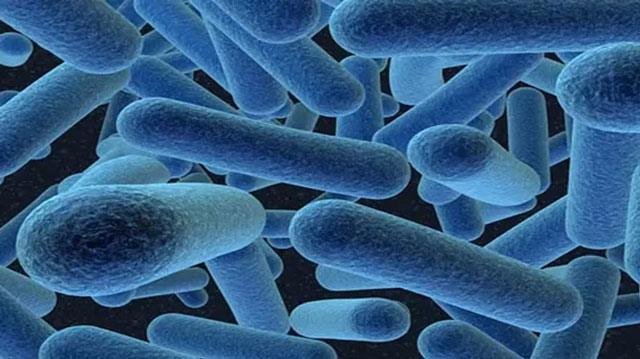
Context: Kerala became the first state in the country to officially declare Bacillus subtilis a “State Microbe”.
What is Bacillus subtilis?
Bacillus subtilis is a rod-shaped bacterium found commonly in soil, water, and the human gastrointestinal tract. It is famously known as a probiotic or “good bacteria.” Unlike harmful germs that cause disease, this microbe maintains a symbiotic relationship with humans and is a natural part of fermented foods .
Why is this microbe so valuable?
The selection of Bacillus subtilis as a state symbol is based on its immense industrial and ecological importance:
- Safety Status: It holds the GRAS (Generally Recognized as Safe) This means it is certified by global health authorities as safe for consumption, making it a staple in the food and pharmaceutical industries.
- Industrial Powerhouse: It acts as a biological factory for producing essential enzymes such as amylases (used in detergents and baking) and proteases. It is also the source of the antibiotic bacitracin, which helps treat skin infections.
- Agricultural Benefits: In farming, it is used as a bio-fungicide and a probiotic in livestock feed. It helps plants grow better by suppressing soil-borne diseases and improving nutrient uptake.
The significance of Kerala’s decision
By elevating a microbe to the status of a state icon—alongside the state bird or animal—Kerala aims to promote “Microbial Literacy.” This move highlights the role of microscopic life in maintaining the health of our environment and our bodies. It also encourages research into sustainable biotechnology, where microbes like B. subtilis can replace harsh chemicals in agriculture and industry.
Key Characteristics
One fascinating feature of this microbe is its ability to form endospores. These are tough, protective shells that allow the bacteria to survive extreme heat, radiation, and lack of food for long periods.