| Important questions for UPSC Pre/ Mains/ Interview:
1. What triggered the controversy over India’s Russian oil imports? 2. What is India’s official position on Russian oil imports? 3. Why is a complete halt to Russian oil imports unlikely? 4. How do strategic autonomy and market realities shape India’s approach? 5. Why does Russian crude remain economically important for India? 6. What role does Nayara Energy play in limiting rapid change? 7. What scale of reduction is considered realistic? 8. What do recent trends indicate about India’s oil import pattern? 9. Why is replacing Russian crude with U.S. oil difficult? 10.Can Venezuelan oil act as an effective substitute? 11.How does this issue relate to India’s broader strategic autonomy? 12.What should be the way forward for India? |
Context
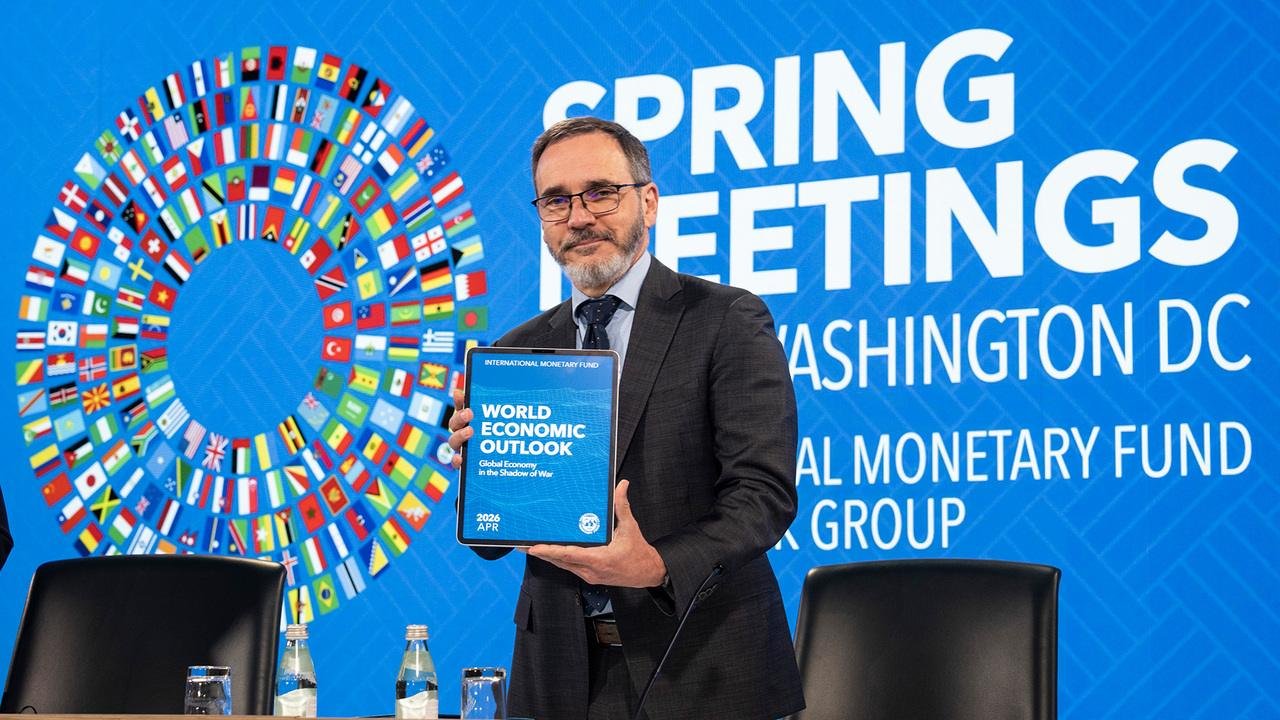
Following the U.S. decision to cut tariffs on Indian goods, claims that India would halt Russian oil imports have sparked debate, with New Delhi reiterating energy security and strategic autonomy as overriding priorities.
Q1. What triggered the controversy over India’s Russian oil imports?
- The U.S. President Donald Trump announced a sharp tariff reduction on Indian exports, linking it to India allegedly agreeing to stop buying Russian crude oil.
- While India welcomed the tariff cut, it did not confirm any commitment to halt Russian oil imports.
- The statement created uncertainty over whether trade concessions were tied to India’s energy choices.
Q2. What is India’s official position on Russian oil imports?
- India’s Ministry of External Affairs (Ministry of External Affairs) has clarified that energy security for 1.4 billion people remains paramount.
- India’s energy procurement strategy is guided by:
- Diversification of sources
- Market conditions and pricing
- Evolving geopolitical dynamics
- No formal instruction has been issued to Indian refiners to stop importing Russian crude.
- The government maintains that energy decisions are commercial and strategic, not politically dictated.
Q3. Why is a complete halt to Russian oil imports unlikely?
- Technical constraints: Indian refineries are optimised for specific crude blends; switching grades rapidly is not feasible.
- Commercial factors: Long-term contracts and already-booked cargoes limit immediate flexibility.
- Logistical challenges: Scaling up imports from alternative suppliers like the U.S. or Venezuela requires time and shipping capacity.
- Strategic autonomy: Abrupt policy shifts would undermine India’s independent decision-making in energy trade.
Q4. How do strategic autonomy and market realities shape India’s approach?
- India has consistently balanced:
- Geopolitical pressures
- Cost competitiveness
- Supply reliability
- A sudden cessation of Russian oil would:
- Expose India to global price volatility
- Increase dependence on fewer suppliers
- Industry analysts expect:
- A gradual reduction, not an abrupt stop
- Incremental diversification towards other sources
- This calibrated approach preserves flexibility and bargaining power.
Q5. Why does Russian crude remain economically important for India?
- Discounted pricing: Russia’s Urals crude has been available at deep discounts compared to ICE Brent.
- Refinery compatibility: India’s complex refining system is well-suited for Russian medium-sour grades.
- Contractual lock-in: Cargoes are booked 8–10 weeks in advance, making cancellations costly and impractical.
- These factors continue to support refinery margins and domestic fuel stability.
Q6. What role does Nayara Energy play in limiting rapid change?
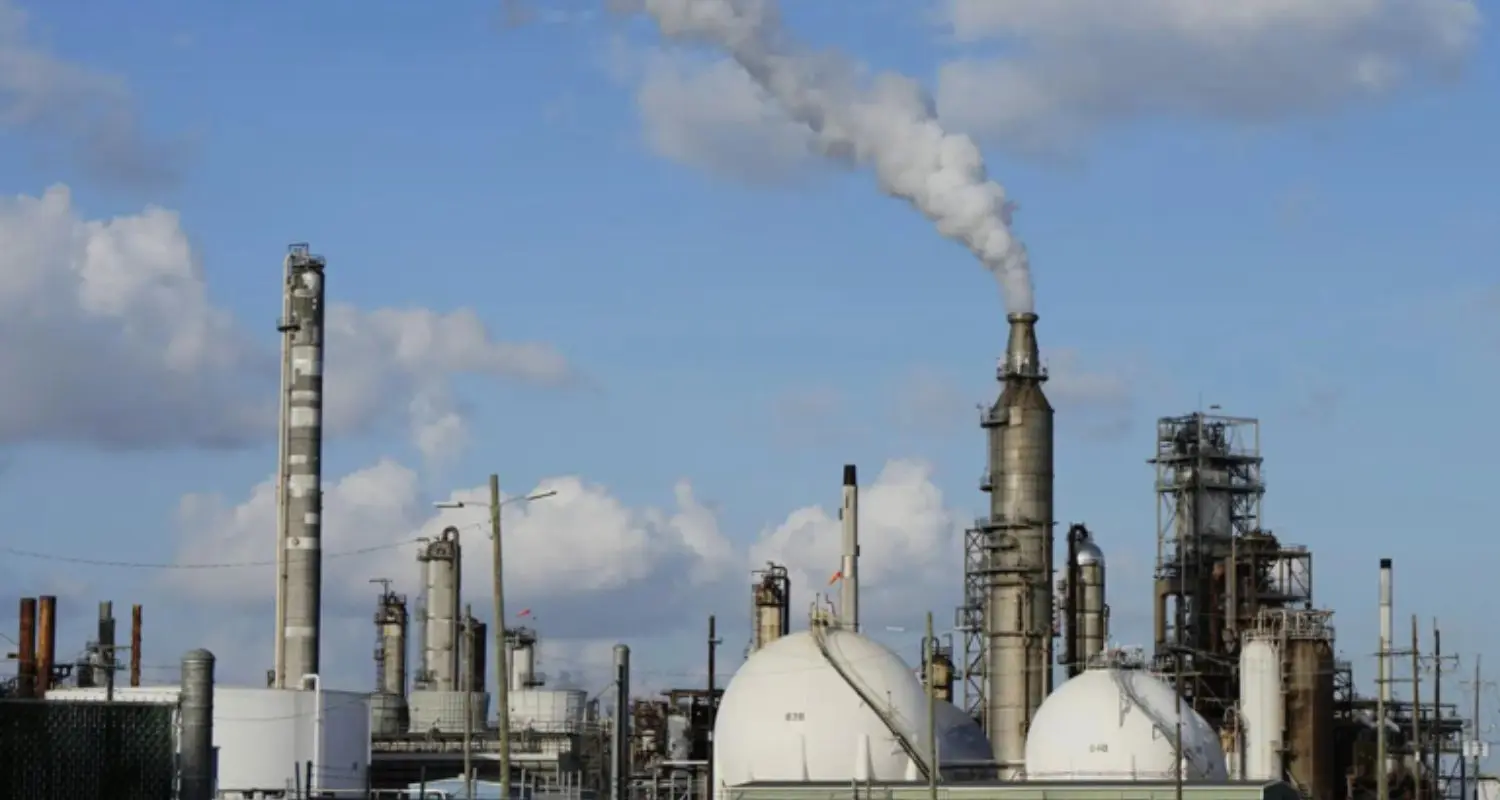
- Nayara Energy processes around 400,000 barrels per day, almost entirely dependent on Russian crude.
- Rosneft, Russia’s national oil company, is a major shareholder.
- Nayara’s exposure to EU and U.S. sanctions has:
- Restricted access to alternative crude sources
- Reduced flexibility in switching suppliers
- This makes a sudden halt to Russian oil imports structurally unfeasible.
Q7. What scale of reduction is considered realistic?
- Energy experts broadly agree that:
- Imports will not fall to zero.
- Volumes could decline from ~1.6 million bpd (2025 average) to ~500,000 bpd in the medium term.
- Even at this level:
- Russian crude would still account for about 10% of India’s oil imports.
- This represents diversification, not disengagement.
Q8. What do recent trends indicate about India’s oil import pattern?
- Russian oil imports have already declined to a three-year low due to sanctions on producers like Lukoil and Rosneft.
- Imports:
- Peaked at 09 million bpd in June 2025
- Fell to 16 million bpd by January 2026
- Despite the decline, Russia still accounted for 22% of total imports in January 2026.
- This share, though lower than earlier peaks, remains significant in the near term.
Q9. Why is replacing Russian crude with U.S. oil difficult?
- Higher transportation costs: Shipping from the U.S. to India costs more than double compared to West Asia.
- Crude quality mismatch: S. crude is lighter and sweeter, less compatible with some Indian refinery configurations.
- While technically feasible, processing efficiency and output quality vary by grade.
Q10. Can Venezuelan oil act as an effective substitute?
- Venezuelan crude is closer in quality to Russian oil.
- However, constraints include:
- Low production (~1 million bpd)
- High competition from U.S. buyers
- Long timelines and heavy investment needed to scale output
- As a result, Venezuelan oil can only provide partial and intermittent substitution.
Q11. How does this issue relate to India’s broader strategic autonomy?
- India resisted sustained pressure to curb Russian oil purchases through most of last year.
- Reductions occurred only after sanctions, not due to bilateral compulsion.
- Maintaining some Russian imports:
- Preserves supply flexibility
- Reinforces autonomy in trade decisions
- Avoids precedent of external direction in energy policy
Q12. What should be the way forward for India?
- Continue gradual diversification, avoiding abrupt disruptions.
- Balance affordability, energy security, and geopolitics.
- Expand refining flexibility over time to handle diverse crude grades.
- Preserve strategic autonomy while engaging constructively with major partners.
- Align energy decisions with long-term economic and geopolitical interests.
Conclusion
India is unlikely to halt Russian oil imports abruptly. A calibrated reduction, guided by market logic and strategic autonomy, best serves energy security while preserving flexibility amid global geopolitical pressures.