| Important questions for UPSC Pre/ Mains/ Interview:
1. Why were the Solid Waste Management Rules, 2026 introduced? 2. How do the 2026 Rules differ from the 2016 framework? 3. What is the waste hierarchy introduced under the 2026 Rules? 4. What changes have been made to waste segregation norms? 5. Who qualifies as a bulk waste generator under the new rules? 6. What new responsibilities are imposed on bulk waste generators? 7. How does the Polluter Pays Principle operate under the 2026 Rules? 8. What role does digital monitoring play in the new framework? 9. How do the new rules affect housing societies and large institutions? 10.What reporting and penalty mechanisms are introduced? 11.How do the 2026 Rules aim to transform landfill management? 12.What provisions address legacy landfill remediation? 13.How does the new framework promote waste-to-energy? 14.What are the key challenges in implementing the 2026 Rules? 15.What should be the way forward for effective implementation? |
Context
The Solid Waste Management Rules, 2026, notified by the Ministry of Environment, Forest and Climate Change, will replace the 2016 rules from April 1, 2026, aiming to reduce landfill dependence and promote circular, decentralised waste management.
Q1. Why were the Solid Waste Management Rules, 2026 introduced?
- India faces a severe solid waste crisis, as highlighted by Central Pollution Control Board data (2023–24).
- Over 620 lakh tonnes of waste are generated annually, with significant gaps between collection, processing, and safe disposal.
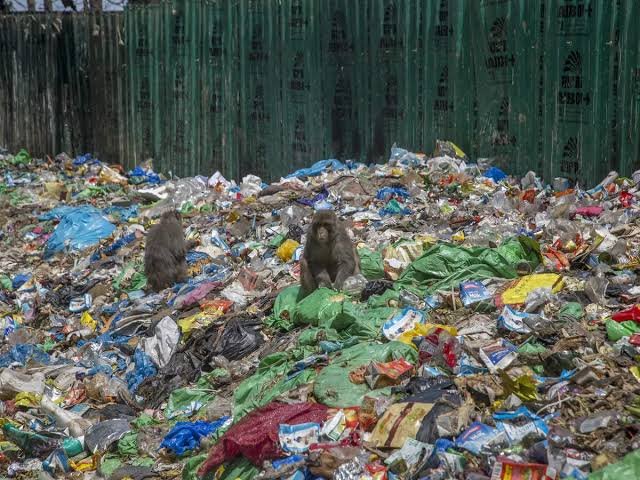
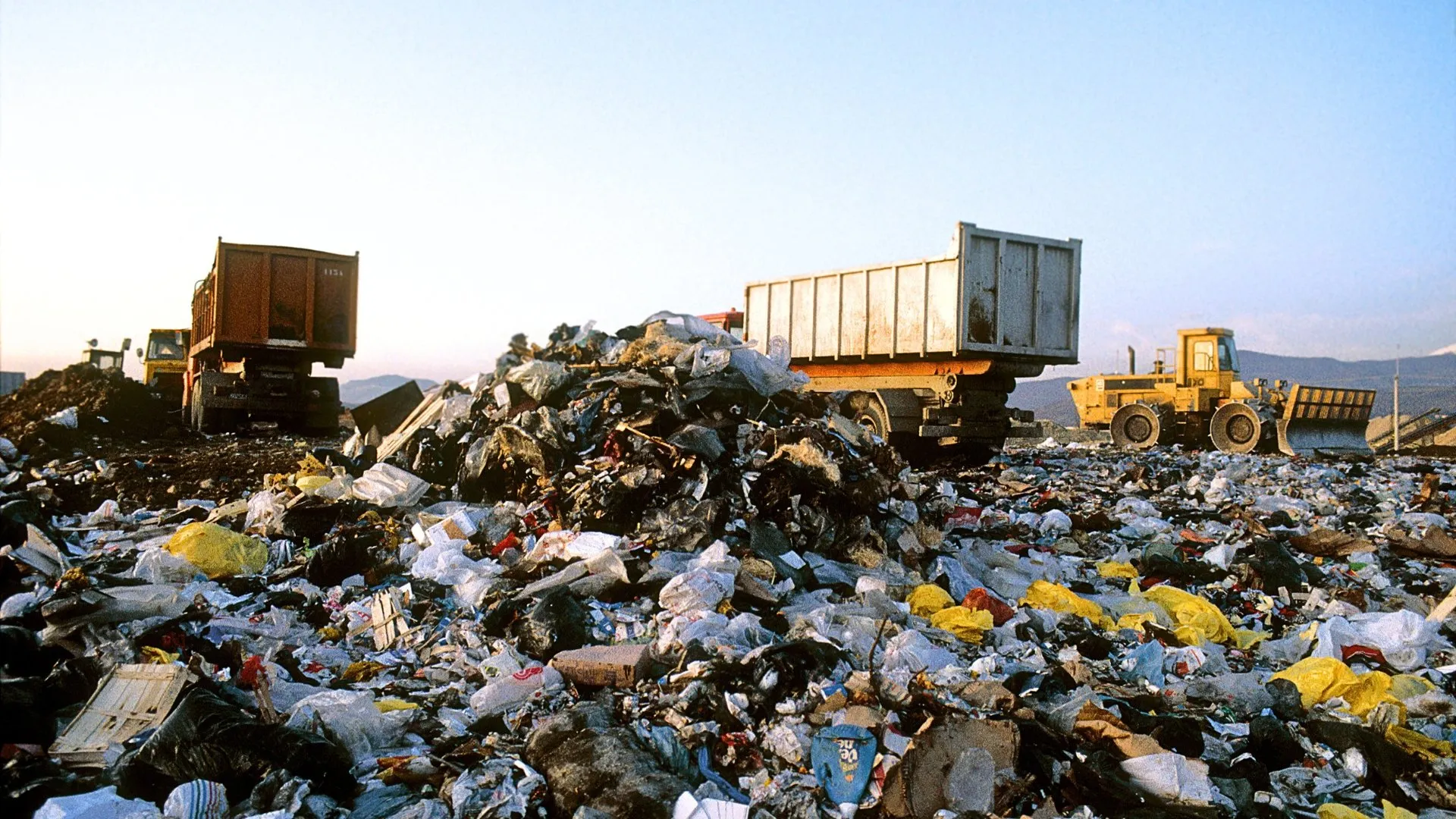
- Despite the 2016 Rules, large volumes of waste continue to be poorly segregated and dumped in landfills, causing:
- Groundwater contamination
- Air pollution from fires and methane emissions
- Public health risks
- The 2026 Rules aim to:
- Reduce reliance on landfills
- Improve segregation and accountability
- Treat waste as a resource under a circular economy framework
- Strengthen compliance through digital monitoring and penalties
Q2. How do the 2026 Rules differ from the 2016 framework?
- While retaining principles of segregation and recycling, the 2026 Rules:
- Introduce clearer obligations for households, ULBs, and bulk generators
- Expand segregation requirements
- Shift from advisory compliance to deterrence-based regulation
- The focus moves decisively from infrastructure creation to behavioural change and system sustainability.
Q3. What is the waste hierarchy introduced under the 2026 Rules?
- The Rules formalise a waste hierarchy that prioritises:
- Prevention
- Reduction
- Reuse
- Recycling
- Recovery
- Disposal (only as a last resort)
- This hierarchy marks a policy shift away from landfill-centric approaches towards waste minimisation and resource recovery.
Q4. What changes have been made to waste segregation norms?
- The Rules mandate four-way segregation, expanding beyond the earlier wet–dry model:
- Wet waste: biodegradable household waste
- Dry waste: recyclables such as paper, plastic, metal, and glass
- Sanitary waste: sanitary napkins, tampons, condoms
- Special-care waste: hazardous or sensitive items like medicines, paint cans, bulbs
- Urban local bodies must support segregation through colour-coded bins:
- Green for wet waste
- Blue for dry waste
- Red for sanitary waste, especially in public toilets
Q5. Who qualifies as a bulk waste generator under the new rules?
- Any entity meeting one or more of the following criteria:
- Built-up area of 20,000 sq m or more
- Water consumption of 40,000 litres/day or more
- Waste generation of 100 kg/day or more
- Covered entities include:
- Residential welfare associations and gated communities
- Hotels, restaurants, malls
- Colleges, universities, hostels
- Government departments and large townships
Q6. What new responsibilities are imposed on bulk waste generators?
- Mandatory segregation at source into four categories.
- Compulsory handover of recyclable waste to authorised entities.
- RWAs, hotels, restaurants, and institutions above 5,000 sq m must comply within one year.
- Compared to 2016, enforcement is significantly stricter and time-bound.
Q7. How does the Polluter Pays Principle operate under the 2026 Rules?
- Environmental compensation is imposed for:
- Failure to register on the centralised portal
- False reporting or forged documentation
- Improper segregation and handling of waste
- Higher landfill fees are charged for mixed or unsegregated waste, making landfilling financially unattractive.
- CPCB is mandated to issue detailed guidelines on compensation and penalties.
- This represents a shift from voluntary compliance to economic disincentives.
Q8. What role does digital monitoring play in the new framework?
- A centralised online portal will track:
- Waste generation
- Collection and transportation
- Processing and disposal
- Mandatory registration for:
- Bulk waste generators
- Urban and rural local bodies
- Waste transporters and processors
- Waste pickers
- Railways, airports, SEZs, and large authorities
- This addresses persistent data gaps and weak monitoring under the 2016 Rules.
Q9. How do the new rules affect housing societies and large institutions?
- Bulk generators are brought under an extended responsibility framework, similar to EPR.
- Compliance becomes operational once ULBs notify by-laws by March 2027.
Key obligations include:
- Mandatory portal registration and waste accounting
- Certification-based compliance, replacing self-declaration
- On-site processing of wet waste through composting or decentralised systems
- Where on-site processing is not feasible, generators can procure processing certificates from ULBs or authorised facilities.
Q10. What reporting and penalty mechanisms are introduced?
- Annual returns to be filed by June 30 each year.
- Returns must specify:
- Quantity of waste generated
- Mode of processing
- Certificates obtained
- Non-compliance attracts environmental compensation, reinforcing accountability.
Q11. How do the 2026 Rules aim to transform landfill management?
- Landfills are designated as a last-resort option, restricted only to:
- Non-usable
- Non-recyclable
- Non-energy-recoverable waste
- This marks a decisive move away from dumping mixed municipal waste.
Q12. What provisions address legacy landfill remediation?
- All ULBs must:
- Map existing dumpsites by October 31, 2026
- Prepare time-bound remediation plans
- Approved methods include:
- Bioremediation to reduce waste volume and odour
- Biomining to recover materials and reclaim land
- These measures target long-standing garbage mounds and urban pollution hotspots.
Q13. How does the new framework promote waste-to-energy?
- Waste with a calorific value of 1,500 kcal/kg or more must be diverted for energy recovery.
- Approved methods include:
- Refuse-Derived Fuel (RDF)
- Co-processing in cement kilns and thermal power plants
- Industries are mandated to replace fossil fuels with RDF:
- 6% substitution initially
- Rising to 15% within six years
- This creates stable demand for waste-derived fuels and strengthens circularity.
Q14. What are the key challenges in implementing the 2026 Rules?
- Capacity constraints of ULBs, especially in smaller towns.
- Behavioural change required among households and institutions.
- Costs of segregation infrastructure and decentralised processing.
- Need for coordination among multiple stakeholders.
Q15. What should be the way forward for effective implementation?
- Strengthen technical and financial capacity of ULBs.
- Invest in citizen awareness and behavioural change campaigns.
- Ensure timely notification of municipal by-laws.
- Integrate waste management with climate, health, and urban planning policies.
- Monitor outcomes using digital dashboards and third-party audits.
Conclusion
The Solid Waste Management Rules, 2026 mark a paradigm shift towards circular, decentralised waste governance. Their success will depend on strict enforcement, local capacity building, and sustained behavioural change across institutions and households.