

04-02-2026 Mains Question Answer
What is the law of demand? Discuss the exceptions to the law of demand.
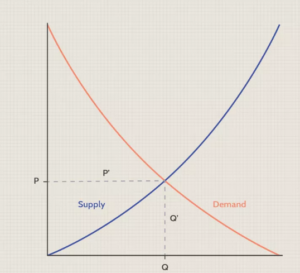
The law of demand is a fundamental principle of microeconomics. It states that (all other things being equal), the quantity demanded of a commodity decreases when its price increases, and vice versa. In other words, there is an inverse relationship between price and quantity demanded.
As price rises, consumers either substitute with cheaper alternatives or reduce consumption due to limited purchasing power.
Exceptions to the Law of Demand
Despite its general validity, there are situations where the law does not hold true:
- Giffen Goods
○ Named after Sir Robert Giffen.
○ Inferior goods (e.g., coarse grains like bajra) where a rise in price leads to higher consumption because households cannot afford costlier substitutes.
- Veblen Goods
○ Luxury goods (e.g., diamonds, designer brands) where higher prices increase demand due to prestige or status symbol effect.
- Expectations of Future Prices
○ If consumers expect prices to rise further, they may buy more even at higher current prices (e.g., real estate, gold).
- Necessities
○ Essential goods (e.g., medicines, salt) where demand remains unaffected
- Ignorance Effect
○ Consumers may perceive higher price as an indicator of better quality, leading to increased demand.
Conclusion
The law of demand is a cornerstone of consumer behavior analysis, but its exceptions highlight the complexity of real-world markets. Recognizing these exceptions is crucial for policymakers and businesses to design effective pricing, taxation, and welfare strategies.