Important questions for UPSC Pre/ Mains/ Interview:
|
Q1. What is De-dollarization and why is it happening?
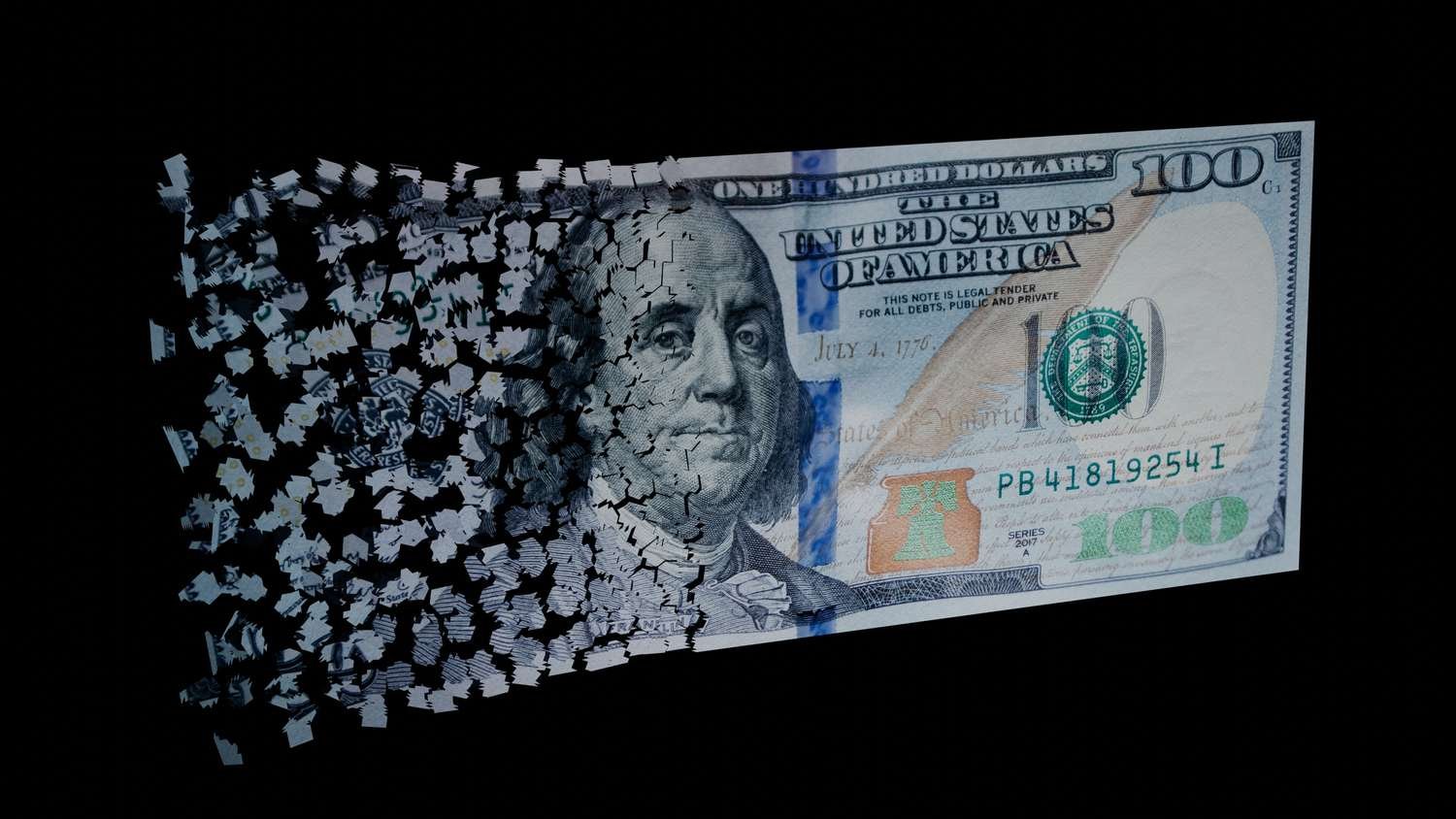
De-dollarisation refers to the process by which countries reduce their dependence on the US dollar for trade, reserves, payments and financial settlements.
It is happening because:
- The U.S. has used its control over the dollar and global payment systems to impose financial sanctions.
- After Russia’s reserves were frozen and banks were restricted from the SWIFT system, many countries realised that dollar dependence creates strategic risk.
- This led Russia, China and others to shift oil and trade settlements away from the dollar.
- This is intensified as the US is planning for the Russia Sanctions Bill to impose up to 500% tariffs on countries buying oil from Moscow.
Q2. What is Petrodollar and why and when it emerged in the 1970s?
- The petrodollar refers to the system in which oil is priced, sold, and paid for in U.S. dollars, meaning that countries must use dollars to buy crude oil in the global market.
- The petrodollar system emerged in the early 1970s, after the collapse of the Bretton Woods system in 1971 and during the period of global oil shocks.
- Why did it emerge?
- After the U.S. dollar was taken off the gold standard, the U.S. needed a new way to maintain global demand for its currency.
- An agreement was reached with Saudi Arabia and later OPEC that oil would be sold only in U.S. dollars.
- Oil-exporting countries accepted this because the U.S. provided security guarantees, military protection, and stable access to U.S. financial markets.
Q3. How has the Petrodollar system increased US Hegemony and dollarization?
- Global oil trade in dollars creates constant worldwide demand for the U.S. currency.
- This keeps the dollar as the main global reserve currency, strengthening its dominance.
- Oil importers must hold dollars, which strengthens U.S. financial markets.
- High dollar demand allows the U.S. to borrow cheaply and run large deficits, without facing a currency crisis.
- Dollar-based trade gives the U.S. strong monetary and sanction power over other countries.
Q4. What is Petroyuan? Why was Petroyuan started in 2017-18?
- The petroyuan refers to oil trade settled in Chinese yuan instead of US dollars.
- China launched yuan-based oil futures in 2017-18 to challenge the petrodollar.
- Russia, Iran and some Gulf exporters have increasingly accepted yuan for energy sales, especially after Western sanctions.
Q5. What is the parallel infrastructure (SWIFT, CIPS, SPFS and BRICS Pay) to counter the US led Financial System?
- SWIFT is the Western-controlled global messaging network used by banks to send payment instructions for international transactions.
- Because most dollar payments pass through SWIFT-linked banks, the United States and its allies can monitor, block or sanction countries by cutting them off from this system.
- CIPS (Cross-Border Interbank Payment System) was created by China to process international payments directly in Chinese yuan, without relying on SWIFT or the U.S. banking network.
- SPFS (System for Transfer of Financial Messages) is Russia’s alternative to SWIFT, developed after Western sanctions. It allows Russian banks and their partners to communicate and settle transactions even if they are cut off from the Western financial system.
- BRICS Pay is being developed as a joint payment and settlement platform for BRICS countries. It is meant to allow trade and investment using local currencies, digital payments, or possibly a shared settlement unit instead of the U.S. dollar.
- These systems make it harder for the US to enforce financial blockades.
Q6. What role does BRICS+ expansion play in the shift towards local currencies?
- BRICS+ brings major oil and commodity producers (Saudi Arabia, UAE, etc.) into a non-US-aligned trading bloc.
- This allows energy and raw-material trade to be settled in local currencies instead of the dollar.
- As dollar use falls, global demand for dollars declines, weakening the petrodollar system.
- India has paid for some Russian oil in yuan and is seeking alternative settlement systems to reduce dollar and sanctions risk.
Q7. How does the global EV revolution present a structural threat to the dollar?
- EV adoption reduces oil demand, weakening the petrodollar system.
- China leads EV production and battery supply chains, shifting energy dependence away from oil.
- Less oil trade means less reliance on dollar settlements, eroding U.S. financial dominance.
Q8. What is the ultimate vision for a multi-polar financial strategy?
- The vision is to create a multipolar financial order where no single currency dominates.
- Local currencies, regional payment systems, and digital currencies (like Central Bank Digital Currencies – CBDCs) will coexist.
- BRICS+ and G20 discussions highlight the need for inclusive, resilient, and diversified financial systems.
- This reduces risks of sanctions and promotes fairer global trade.