Context
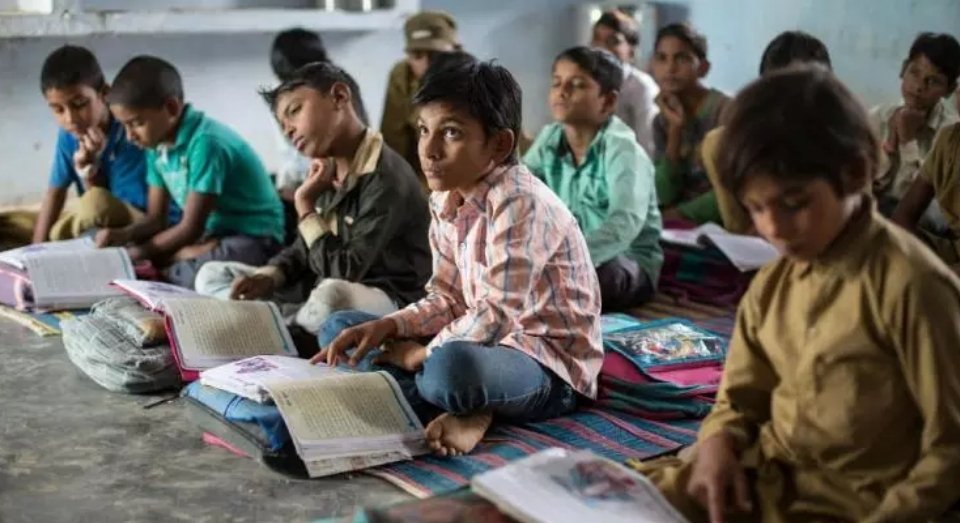
Article 21A guarantees free and compulsory education for children aged 6–14, and the National Education Policy (NEP) 2020 expands this vision to ages 3–18. However, new data from the NSS (National Sample Survey) 80th Round (2025) shows that despite this constitutional guarantee, families continue to bear significant educational expenses due to high private school fees and widespread reliance on private coaching.
What is the Issue?
- There is a structural mismatch between the constitutional promise of free education and the actual cost borne by households.
- Key aspects include:
- High enrolment in private schools despite the existence of government schools.
- Substantial course fees even in government schools for many students.
- Expensive private tuition is becoming increasingly common.
- Rising educational expenditure outpacing incomes for lower-income households.
- Growing inequalities between rural and urban sectors, and across income groups.
- These patterns threaten equitable access to education and undermine universalisation goals under NEP 2020.
Why Has the Issue Emerged?
- Weakening Government School Quality: Parents shift to private schools due to perceived better outcomes.
- Urban–Rural Inequality: Private school enrolment and coaching demand are much higher in urban India.
- Economic Pressures: Private schooling and coaching create high financial burdens, especially for poor and lower-middle-class families.
- Prestige and Aspirations: Private tuition is seen as necessary for academic success and social status.
- Underpaid/Underqualified Private School Teachers: Poor teaching quality in private schools drives greater reliance on private coaching.
How the Trends Have Unfolded?
- School Enrolment Patterns
- National enrolment: 9% in government schools, 11.3% in private aided, 31.9% in private unaided.
- Urban areas: 4% in private schools; rural areas: 24.3%.
- Gender gap in private school enrolment remains small.
- Rural private school enrolment: 28.1% (pre-primary) → 25.8% (higher secondary).
- Urban private school enrolment: 62.9% (pre-primary) → 42.3% (higher secondary).
- From 2017–18 to 2025, private enrolment has increased across all levels in both rural and urban India.
- Course Fee Burden
- % of students paying course fees:
- Government schools: 25.3% rural, 34.7% urban
- Private schools: 98%+ across both sectors
- Annual Fees
- Government schools:
- Rural: ₹823–₹7,308
- Urban: ₹1,630–₹7,704
- Private schools:
- Rural: ₹17,988–₹33,567
- Urban: ₹26,188–₹49,075
- Monthly Financial Stress
- Rural private school monthly spending: ₹1,499–₹2,797
- Urban private school monthly spending: ₹2,182–₹4,089
- At lower levels, private school fees equal the income of the poorest 5% households.
- At higher secondary, private fees match MPCE of the 3rd income decile.
- Rising Private Tuition Demand
- Students taking private coaching: 5% rural, 30.7% urban.
- Tuition rises with class level (urban secondary: 2%, higher secondary: 44.6%).
- Average annual spend:
- Rural: ₹7,066
- Urban: ₹13,026
- Coaching high cost at higher secondary:
- Rural: ₹13,803
- Urban: ₹22,394
- Socio-economic Linkages
- Higher income, more educated parents, and urban residency strongly correlate with tuition use.
- Private school students rely more on tutoring due to poor teaching quality.
- Tuition is increasingly associated with social prestige.
- Government schools:
- % of students paying course fees:
Implications
- Violation of Constitutional Promise: Households bear costs that the state is obligated to cover.
- Deepening Inequality: Wealthier households access better schooling and coaching, widening learning gaps.
- Financial Stress on Households: Private school fees and coaching expenses absorb a large share of incomes, especially among the poor.
- Declining Role of Government Schools: Lower enrolment further weakens public provision, creating a self-reinforcing cycle.
- Learning Inequality Intensifies: Heavy reliance on tutoring benefits richer families, disadvantaging others.
Challenges & Way Forward
| Challenges | Way Forward |
| Rising private school enrolment despite free public schooling | Improve quality, accountability, and learning outcomes in government schools |
| High dependence on private tuition due to weak teaching | Strengthen teacher training, pedagogy, and remedial programmes |
| Affordability crisis for low-income families | Expand scholarships, fee regulation, and targeted financial assistance |
| Urban–rural disparities in access and expenditure | Increase investment in rural infrastructure and digital tools |
| Inequality in learning outcomes | Implement NEP-focused foundational literacy & numeracy reforms and continuous assessments |
Conclusion
The NSS 80th Round demonstrates that India’s education system is drifting toward higher privatization, rising household burden, and widening inequality. Strengthening public schools, improving teaching quality, and reducing dependence on private tuition are essential to ensure that education remains a universal right rather than a market-driven privilege.
| EnsureIAS Mains Question
Q. The NSS 80th Round highlights rising educational costs and deepening inequalities in access to school education. Discuss the structural reasons behind this trend and propose policy measures to strengthen publicly funded schooling in India. (250 Words) |
| EnsureIAS Prelims Question
Q. Consider the following statements based on the NSS 80th Round Survey: 1. More than half of urban schoolchildren in India are enrolled in private schools. 2. The average annual expenditure on private coaching is higher in urban areas than in rural areas. 3. Private school enrolment has declined since the NSS 75th Round (2017–18). Which of the above statements is/are correct? Answer: a) 1 and 2 only Explanation: Statement 1 is correct: Urban private school enrolment is 51.4%. Statement 2 is correct: Urban tuition cost is ₹13,026, higher than rural ₹7,066. Statement 3 is incorrect: Private enrolment has increased at all levels since 2017–18. |