Context
A new Lancet Series on Ultra-Processed Foods (UPFs) warns that India is experiencing the fastest growth in UPF sales worldwide. This sharp rise is directly linked to increasing rates of obesity, diabetes, and heart disease. Experts say India must act immediately to regulate UPFs and protect public health.
What Are Ultra-Processed Foods (UPFs)?
- UPFs are industrial food formulations made from refined ingredients such as starches, sugar, oils, protein isolates, and filled with additives like:
- Emulsifiers
- Colorants
- Flavour enhancers
- Preservatives
- These foods are designed to be hyper-palatable, inexpensive, and long-lasting.
- Common Examples:
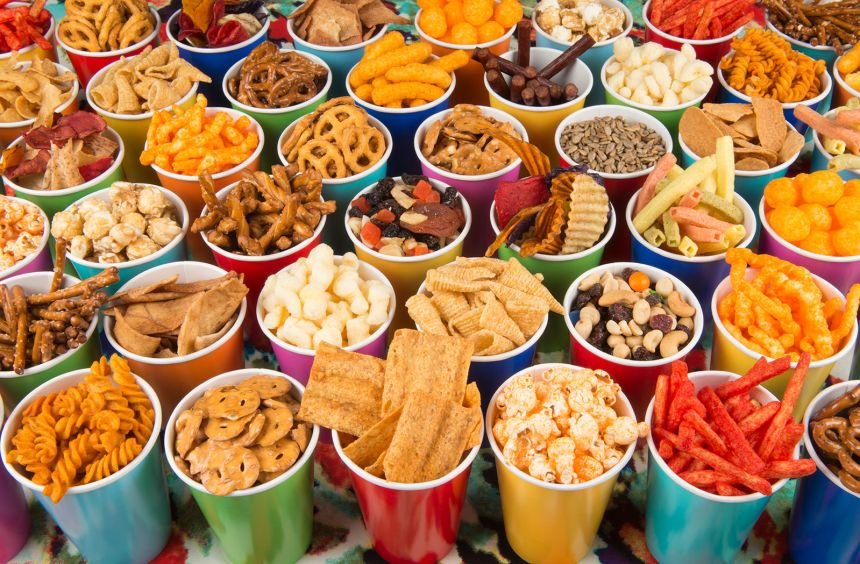
- Packaged snacks (chips, cookies, namkeens)
- Sugary drinks (colas, energy drinks)
- Ice cream, chocolates
- Breakfast cereals
- Frozen nuggets, sausages, fries
- Instant noodles and soups
- Ready-to-heat meals
- UPFs are typically high in fat, sugar, and salt (HFSS) and low in nutrients and fibre.
Why is UPF Consumption Rising in India?
- Explosive Market Growth
- Sales increased from $0.9 billion in 2006 to $38 billion in 2019 – a 40-fold increase.
- India is among the fastest-growing UPF markets
- Aggressive Marketing & Advertising
- Celebrity endorsements
- Sports sponsorships
- Push strategies like “buy-one-get-one-free”
- Lifestyle marketing linking UPFs to “modern” or “cool” living
- Lack of Strong Regulation
- India relies mainly on self-regulation, which is ineffective.
- Economic Survey 2025 recommends urgent regulation.
- Dietary Transition
- Traditional home-cooked meals are being rapidly replaced by ready-to-eat industrial foods, especially in urban India.
How does UPFs Harm Public Health?
- Obesity
- Lancet reports show:
- Obesity in India doubled between 2006 and 2019.
- UPFs increase calorie intake without nutrition.
- Diabetes & Cardiovascular Diseases
- High sugar & fat → insulin resistance
- High salt → hypertension
- Trans fats → heart disease
- Impact on Gut Health
- UPFs lack fibre → imbalanced microbiome, inflammation
- Addiction-like Behaviour
- UPFs are engineered to be hyper-palatable, leading to:
- Cravings
- Overeating
- UPFs are engineered to be hyper-palatable, leading to:
- Lancet reports show:
- Habit formation similar to addiction
- Impact on Children
- Impaired brain development
- Early obesity & diabetes
- Reduced attention span
- Higher lifelong disease burden
Implications for Children (Why This Is Urgent?)
- India lacks national-level data on how much UPF children consume.
But global evidence shows:- Children are highly vulnerable to advertising
- UPFs can become a major part of daily diet
- Early exposure leads to long-term metabolic disorders
- Proposed interventions:
- UPF-free school canteens (Brazil model)
- Increasing access to minimally processed foods
- Regulations on children-targeted marketing
How to Identify UPFs (vs Processed Foods)
- UPFs = Industrial formulations + Additives
- A food is ultra-processed if it contains:
- Stabilizers: Substances added to food to keep its texture steady and prevent ingredients from separating (e.g., in ice cream or sauces).
- Emulsifiers: Additives that help mix ingredients that normally don’t mix, like oil and water, to create a smooth and uniform product.
- Artificial flavours: Chemicals made in a lab to copy or enhance natural flavours, used to make food taste stronger or more appealing.
- Artificial colour: Synthetic dyes added to food to make it look brighter or more attractive, even when the colour isn’t natural.
- Protein isolates: Highly processed proteins extracted from foods (like soy or whey) and used to boost protein content in UPFs, removing most natural nutrients.
- Industrial starches: Refined starches taken from corn, potatoes, or wheat and used as thickeners or fillers, often replacing whole ingredients in UPFs.
- Simple rule:
- If the ingredient list has additives → It is UPF.
What to Avoid on Shop Shelves?
- A quick WHO-based checklist:
- Avoid if:
- Sugar or fat > 10% of the product
- Sodium > 1 mg per kcal
- Avoid if:
- Ingredient list has additives
- It comes as pre-packaged junk food (except whole foods like milk, nuts)
- Safe rule for consumers: Buy ingredients, not products.
What Labels Should India Introduce?
- India needs Front-of-Pack Warning Labels (FOPWL) such as:
- “High in sugar”
- “High in salt”
- “High in saturated fat”
- Countries like Chile, Brazil, Mexico already use strong FOP warnings for UPFs.
Challenges & Way Forward
| Challenges | Way Forward |
| Aggressive marketing by food companies | Regulate ads, ban child-targeted UPF marketing, restrict celebrity endorsements |
| Lack of national data on UPF intake | Conduct national dietary surveys; monitor UPF consumption |
| No strong food labelling laws | Implement FOP warning labels immediately |
| Availability and convenience of UPFs | Promote access to healthy foods; UPF-free school canteens |
| Weak regulation/self-regulation | Bring statutory regulations instead of self-regulation |
| Shift from traditional diets | Promote awareness and campaigns for minimally processed diets |
| High child vulnerability | School-based restrictions; health education programs |
Conclusion
India is experiencing a dangerous nutritional transition, driven by aggressive marketing and unchecked expansion of ultra-processed foods. This surge is fueling obesity, diabetes, and heart disease, especially among children. Ensuring a shift back to minimally processed, nutrient-rich foods is essential for protecting India’s future health.
| EnsureIAS Mains Question
Q. India is experiencing a rapid shift toward ultra-processed foods, creating a major public health crisis. Discuss the drivers of this transition and suggest policy measures to reduce UPF consumption, especially among children. (250 Words) |
| EnsureIAS Prelims Question
Q. With reference to Ultra-Processed Foods (UPFs), consider the following statements: 1. UPFs are typically high in fat, sugar and salt and contain industrial additives such as emulsifiers and stabilisers. 2. WHO recommends front-of-pack warning labels for foods high in sugar, salt and fats. 3. UPFs preserve the basic structure of natural foods and therefore retain high nutritional value. Which of the above statements are correct? A. 1 and 2 only Answer: A — 1 and 2 only Explanation: Statement 1 is correct: UPFs are HFSS foods with various industrial additives. Statement 2 is correct: WHO recommends strong front-of-pack warnings. Statement 3 is incorrect: UPFs do not retain the structure or nutrition of natural foods; minimal processing does, not UPFs. |