Context
Amid the deteriorating security situation in Iran, Qom has drawn attention as a major centre hosting thousands of Indian students studying in religious seminaries and universities.
About Qom
- Qom, situated in north-central Iran, serves as the capital of Qom Province and acts as an important link between Tehran and the country’s central regions.
- The city is regarded as the principal centre of Shia Islamic learning and has long been associated with theology, religious scholarship and pilgrimage.
- Its religious prominence increased after it emerged as a major centre of Shi’ite Islam in the 8th century AD, later becoming a well-known pilgrimage destination during the 17th century.
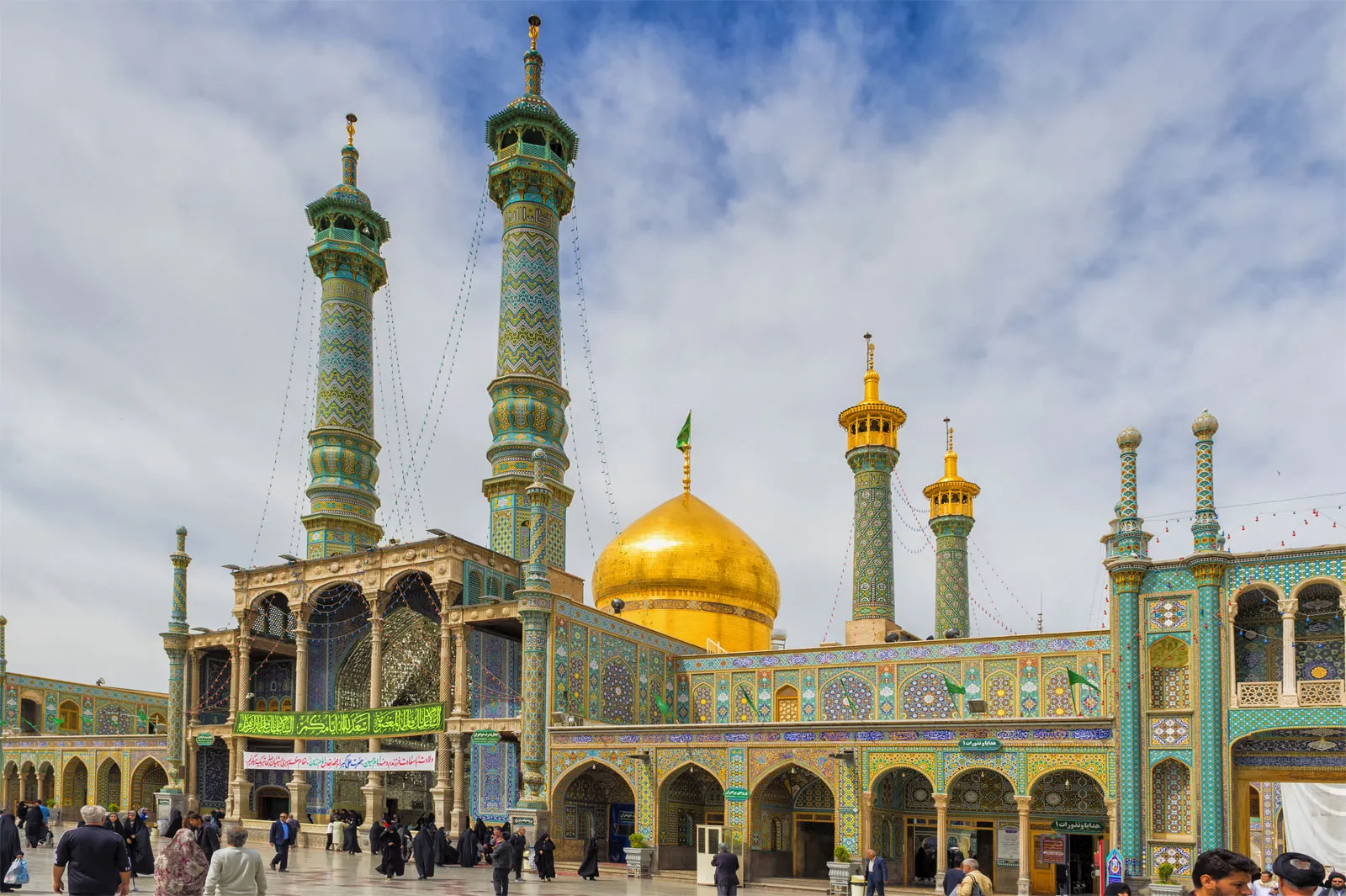
- Among its most important religious landmarks is the Shrine of Fatima Masumeh, considered one of the holiest pilgrimage sites in Iran.
- Qom is also home to the country’s largest theological seminary, which attracts students and clerics from different parts of the Islamic world.
- In addition to its spiritual significance, the city has developed as a petroleum distribution centre and supports industries such as cement, petrochemicals and textiles.
- The city played a decisive role in the 1979 Islamic Revolution, during which revolutionary militias secured the surrender of the Iranian army there.
- Following the revolution, Ayatollah Ruhollah Khomeini made Qom his base and directed the affairs of the Islamic Republic from the city until 1989.