Context
Jharkhand’s Palamu Tiger Reserve has been selected for the establishment of India’s first Human-Elephant Conflict Research Centre, aimed at studying and reducing increasing conflicts between humans and elephants in forest and nearby rural areas.
About Palamu Tiger Reserve
- Palamu Tiger Reserve is located in Jharkhand on the Chhotanagpur Plateau and forms part of the forested landscape of Betla National Park.
- The reserve is marked by an undulating terrain consisting of hills, valleys and plains, while its geological structure mainly includes gneiss along with granite and limestone formations.
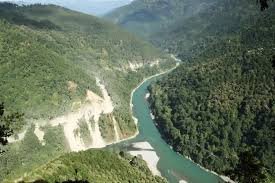
- The area is drained by the North Koyal, Auranga and Burha rivers that flow through the valleys of the reserve.
- Though the region is generally drought-prone, the Burha River remains perennial throughout the year.
- Forest vegetation in the reserve includes both moist deciduous and dry deciduous types, with Sal and bamboo forming the dominant plant species.
- The reserve supports rich faunal diversity, including Tiger, Leopard, Asiatic Elephant, Gaur, Sloth Bear, Grey Wolf, Wild Dog and Four-horned Antelope.
- Palamu gained special importance in wildlife conservation history as one of the first nine tiger reserves established under Project Tiger.
- It is also known for the world’s earliest tiger census based on the pugmark method, conducted in 1932 under the supervision of J.W. Nicholson.