Context
The Ministry of Health and Family Welfare has recently issued the updated guidelines for Rashtriya Bal Swasthya Karyakram (RBSK) 2.0, aiming to strengthen child health screening and early intervention services across the country.
About Rashtriya Bal Swasthya Karyakram
- It is a child health programme that began in February 2013 under the National Rural Health Mission.
- The scheme is designed to improve children’s health and quality of life by ensuring early identification and treatment of health issues, along with comprehensive care support.
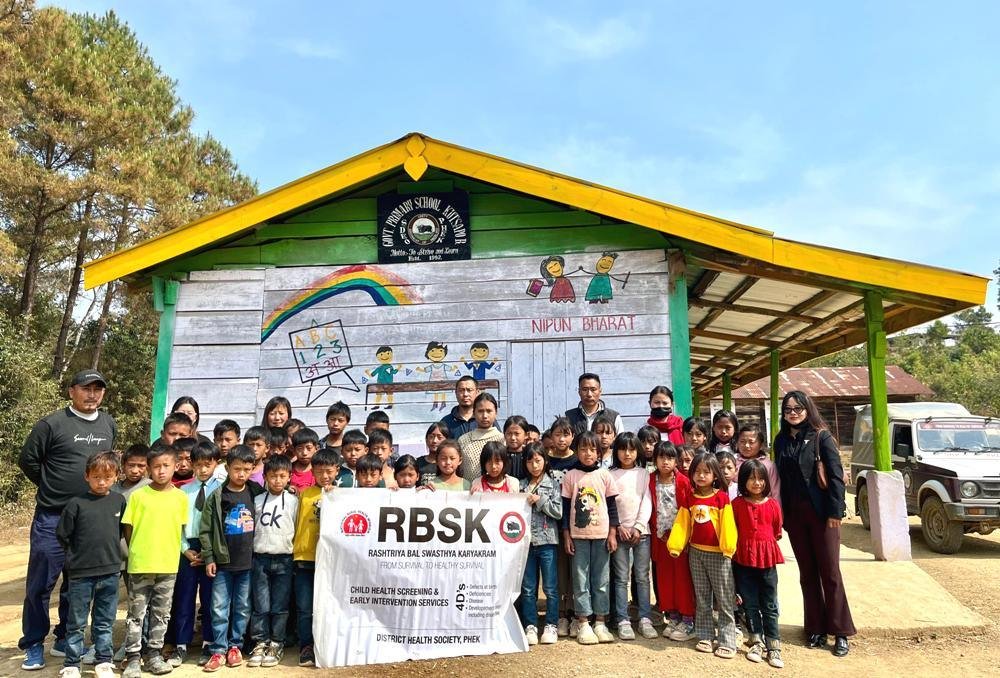
- Under the programme, children from birth up to 18 years are screened for “4 Ds”—birth defects, diseases, deficiencies, and developmental delays.
- It also covers screening for 32 common health conditions, enabling early detection, free treatment, and advanced care including surgeries at tertiary facilities.
- A key approach includes newborn screening at health facilities right after delivery to detect congenital conditions at an early stage.
- Community-level checks are also carried out at Anganwadi centres and government schools in coordination with the Ministries of Women and Child Development and Education.
- At the grassroots level, ASHA workers conduct screening of newborns and infants through home-based newborn and young child care programmes as part of early childhood development efforts.
- Children diagnosed with health issues are further managed and treated at District Early Intervention Centres (DEICs).
- The upgraded RBSK 2.0 expands its focus to include developmental disorders, mental health and behavioural issues, lifestyle-related risks, and early indicators of non-communicable diseases such as diabetes and hypertension, along with conditions like kidney disorders.
- It also introduces digital health cards, real-time monitoring systems, and integrated digital platforms to improve tracking, coordination, and delivery of healthcare services for children.