Context
- A recent multicenter study found that adding prednisolone to the standard initial treatment for Kawasaki disease did not reduce the number of coronary artery complications one month after the disease began.
- Prednisolone is a strong corticosteroid medicine used to reduce inflammation and treat conditions such as severe allergies, asthma, autoimmune disorders, skin diseases, and some cancers by calming an overactive immune system.
About Kawasaki Disease
- Also called Kawasaki syndrome or mucocutaneous lymph node syndrome, it is an uncommon condition marked by persistent fever and inflammation of blood vessels.
- The illness was first recognized in Japan in 1967 by Tomisaku Kawasaki, and later cases were identified outside Japan, including in Hawaii in 1976.
- It is seen mostly in young children below 5 years of age and occurs more frequently in boys.
- Its exact cause is still unclear, though it tends to appear more often during late winter and early spring.
- It is a leading cause of acquired heart disease in children in developed countries.
- The condition develops when the body’s immune system mistakenly causes inflammation in blood vessels.
- The coronary arteries, which supply blood to the heart, are most commonly affected.
- The disease does not spread from one person to another and is not contagious.
Symptoms
- Kawasaki disease symptoms usually appear in two stages and can last for several weeks.
- High fever lasting more than 5 days.
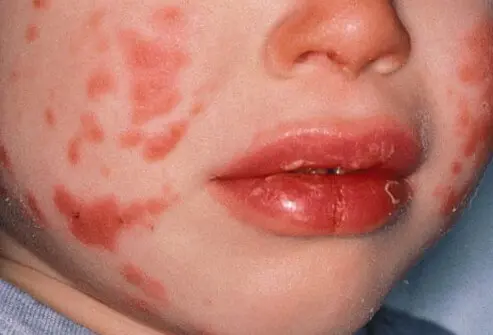
- Skin rash on the body or in the genital area.
- Swollen lymph node in the neck.
- Red eyes without thick discharge.
- Red, dry, cracked lips and a swollen red tongue.
- Swelling and redness of hands and feet, followed later by peeling of skin on fingers and toes.
Treatment of Kawasaki Disease
- Kawasaki disease can usually be managed effectively, especially when identified early, allowing most children to recover completely without lasting health issues.
- Care is typically provided in a hospital so that doctors can closely observe the patient and respond quickly to any changes.
- The standard treatment involves giving immunoglobulin through a vein (IVIG), which helps control inflammation and reduces the chance of damage to the heart.