Context
Pollution from tourism-related sewage in Kollur is threatening the Mookambika Wildlife Sanctuary, with the Souparnika river carrying waste into its core area during summer.
About Mookambika Wildlife Sanctuary
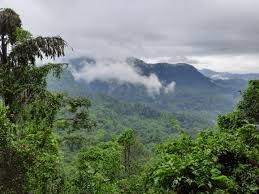
- The sanctuary is located in the Udupi district of Karnataka and lies within the ecologically rich Western Ghats.
- It spans an area of about 370 sq. km and is named after the deity of the Kollur Mookambika Temple, which is situated within the sanctuary.
- The sanctuary serves as an important ecological corridor, connecting Someshwara Wildlife Sanctuary in the south and Sharavathi Wildlife Sanctuary in the north.
- A key geographical feature is the Kodachadri Peak, often described as a botanical hotspot due to its rich biodiversity.
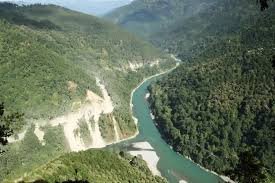
- The sanctuary is drained by two major rivers — Chakra and Souparnika, and also contains scenic waterfalls like Koosalli and Belkal Theertha.
- Its vegetation includes a mix of evergreen, semi-evergreen, and moist deciduous forests, typical of the Western Ghats, with notable flora such as Dipterocarpus indicus, Calophyllum tomentosum, Hopea parviflora, and the rare climber Coscinium fenestratum, along with some teak plantations.
- The sanctuary supports diverse wildlife, including rare species like the slender loris and lion-tailed macaque, as well as larger animals such as tiger, leopard, sloth bear, sambar, chital, gaur, and otter, reflecting its rich faunal diversity.