Important questions for UPSC Pre/ Mains/ Interview:
|
Context
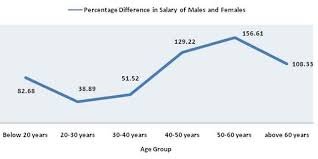
The Periodic Labour Force Survey (PLFS) 2025 highlights that although women’s wages are rising faster than men’s, significant gender-based wage inequality persists. This reflects deeper structural issues in India’s labour market related to participation, job quality, and access to opportunities.
Q1. What is the Gender Wage Gap?
- Gender Wage Gap refers to the difference in earnings between men and women for similar work across sectors and job types.
- It reflects structural inequalities in employment access, skill development & labour market participation.
- It is present across salaried jobs, casual labour and self-employment.
Q2. What are the key findings of PLFS 2025?
- Employment Levels
- Total employed: 61.6 crore
- Male workers: 41.6 crore
- Female workers: 20.0 crore
- Indicates: Significant gender gap in employment
- Wage Growth Trends
- Women’s wages grew faster than men’s.
- Salaried jobs: Women: 7.2% | Men: 5.8%
- Self-employment: Women: 8.8% | Men: 8%
- Casual labour: Women: 5.4% | Men: -0.2%
- Suggests: Gradual improvement in wage dynamics
- Women’s wages grew faster than men’s.
- Persistent Wage Gap
- Salaried jobs: Women earn 76% of men’s wages
- Casual labour: Women earn 69% of men’s wages
- Self-employment: Women earn 36% of men’s wages
- Conclusion: Growth ≠ equality
Q3. What is the nature of the wage gap in India?
- The wage gap exists across all sectors and job types.
- It varies by nature of employment.
- Key feature: Women concentrated in low-paying jobs and informal sector.
- Structural issues: Occupational segregation and Informalisation of work.
Q4. What are the causes of gender wage inequality?
- Low female labour force participation
- Job segregation – Women in low-paying sectors
- Limited access to education, skills and capital.
- Social norms – Patriarchal roles and mobility restrictions.
- Unpaid care work – Reduces working hours and opportunities.
Q5. What are the broader labour market trends?
- Employment Structure Changes
- Increase in women in salaried jobs: 18.2% (2025) vs 16.6% (2024)
- Decline in self-employment: Shift toward better-quality jobs
- Slight rise in casual labour participation
- Unemployment Trends
- Rural unemployment: 2.4% (down)
- Urban unemployment: 4.8% (down)
- Youth unemployment: 9.9% (down)
- Concern: Female youth unemployment increased
- Labour Force Participation (LFPR)
- Rural LFPR: 62.8% (decline)
- Urban LFPR: 52.2% (stable)
- Implication: Reduced workforce engagement
- Informal Sector Concerns
- Wage growth: Only 3.9%
- Slowing job creation
- Impact: Disproportionately affects women
Q6. Why is reducing the gender wage gap important?
- Economic Dimension: Boosts household incomes and consumption demand. Enhances productivity and economic growth.
- Social Dimension: Promotes gender equality and women empowerment.
- Governance Dimension: Supports inclusive development and Sustainable Development Goals (SDGs).
Q7. What are the benefits, concerns, and required interventions?
- Benefits of Current Trends
- Faster wage growth for women
- Increased participation in salaried jobs
- Gradual structural shift in employment
- Persistent Concerns
- Deep wage inequality remains
- High informal sector dependence
- Gender gap in employment levels
- Rising female youth unemployment
- Way Forward (Policy Measures)
- Administrative: Strengthen labour laws and enforcement of equal pay
- Economic: Promote women’s participation in high-value sectors
- Skill Development: Targeted skilling and digital literacy programmes
- Social: Address unpaid care burden through policy support
- Institutional: Improve access to credit and entrepreneurship
- Legal: Ensure strict implementation of equal wage provisions
Conclusion
The PLFS 2025 data reflects incremental progress but persistent inequality in India’s labour market. Bridging the gender wage gap requires addressing deep-rooted structural barriers, ensuring that wage growth translates into true economic equality and inclusive development.