Context
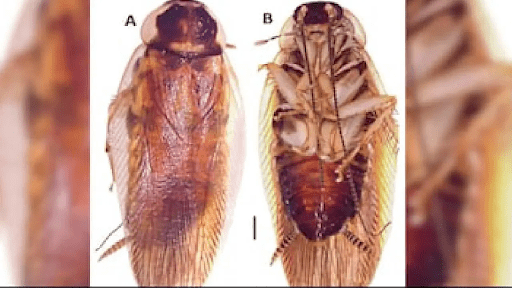
Researchers from the Zoological Survey of India (ZSI) have discovered a new cockroach species, Neoloboptera peninsularis, in the Deccan Peninsula using DNA-based identification.
Q1. What is Neoloboptera peninsularis?
- It is a newly discovered species of cockroach belonging to the genus Neoloboptera.
- The species name “peninsularis” reflects its origin in Peninsular India.
Q2. Where was this species discovered?
- It was discovered in the Deccan Peninsula, specifically in Pune district of Maharashtra.
- The insect was found in Nathachiwadi village.
- Its habitat includes palm shrubs and dry leaf litter near agricultural land.
Q3. What is the scientific significance of this discovery?
- It marks the first use of modern DNA technology in India to identify a cockroach species.
- It is only the third known species of the genus Neoloboptera in India.
- The discovery fills a long gap in taxonomic records, as no new specimen-based record had been reported for this genus in decades.
- It highlights the importance of advanced genetic tools in biodiversity identification.
Q4. What are the distinguishing features of Neoloboptera peninsularis?
- It has a glossy, yellowish-brown body.
- The species possesses fully developed wings.
- It shows asymmetrical cerci (paired appendages at the rear).
- It has a distinctive whip-like male genital structure, useful for species identification.
Q5. What is the significance of the genus Neoloboptera in India?
- It is a rarely recorded genus with very limited species in India.
- Earlier species include: Neoloboptera indica (1865) and Neoloboptera chakrabortyi (1995).
- The new discovery adds to India’s biodiversity records and entomological knowledge.
Conclusion
The discovery of Neoloboptera peninsularis highlights the richness of India’s biodiversity and the growing role of modern scientific tools in uncovering hidden species.