Context
A 6.2 magnitude earthquake recently struck off the east coast of Honshu Island, highlighting its vulnerability due to tectonic activity.
Q1. What are the key geographical features of Honshu Island?
- Honshu is the largest and most important island of Japan.
- It lies between the Pacific Ocean (east) and the Sea of Japan (west).
- The island stretches in a northeast–southwest arc of about 1,287 km.
- It covers an area of about 227,898 sq km, making it the 7th largest island in the world.
- The island is dominated by a central mountainous spine (Central Trough).
Q2. Why is Honshu Island significant?
- It houses over 80% of Japan’s population (~104 million people).
- It is the second-most populous island in the world after Java.
- It contains major cities like Tokyo (capital), Osaka, Kyoto, Nagoya, Hiroshima, and Yokohama.
- It is the economic, political, and cultural core of Japan.
- It supports industrial development, infrastructure, and governance systems.
Q3. What are the important physical features found on Honshu Island?
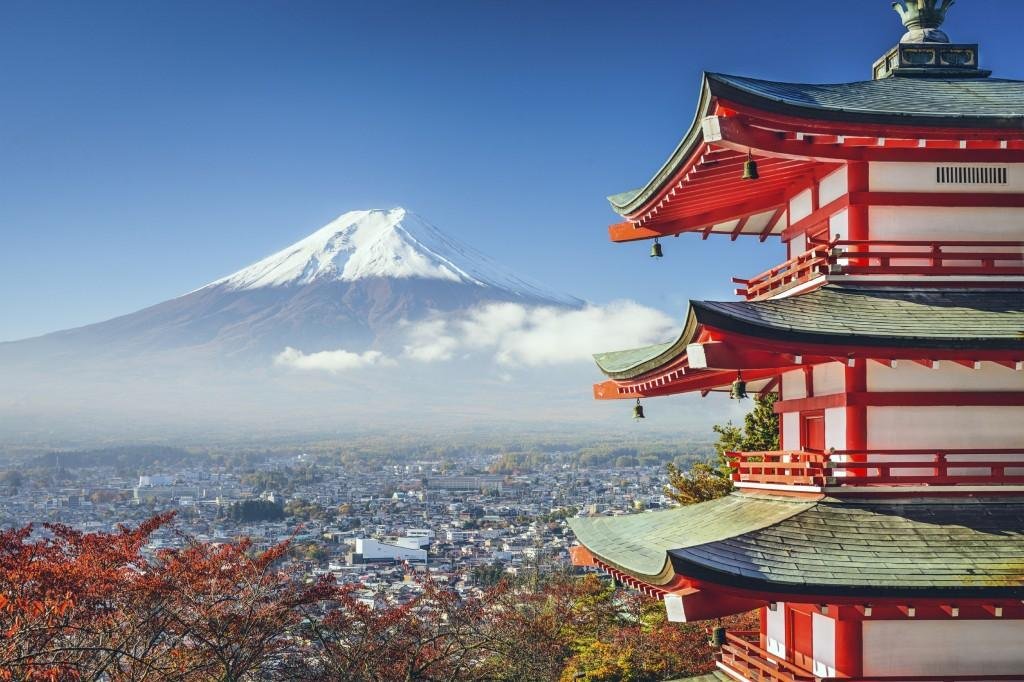
- Mount Fuji – Japan’s highest peak and an active stratovolcano.
- Lake Biwa – The largest freshwater lake in Japan.
- Extensive mountain ranges and valleys, forming rugged terrain.
- Rich river systems that support agriculture and settlements.
Q4. Why is Honshu Island prone to earthquakes?
- Honshu lies in the Pacific Ring of Fire, one of the most seismically active regions in the world.
- It is located at the convergence of multiple tectonic plates (Pacific, Eurasian, Philippine Sea).
- Subduction zones near the island lead to frequent earthquakes.
- Continuous plate movement builds stress, which is released as seismic activity.
Q5. What are the implications of frequent earthquakes in Honshu?
- Risk of loss of life and infrastructure damage.
- Possibility of tsunamis along the Pacific coast.
- Disruptions to transport, industry, and economic activity.
- Need for advanced disaster preparedness and resilient infrastructure.
Conclusion
Honshu Island highlights the coexistence of geographical vulnerability and advanced disaster management, making it a key example of resilience in a high-risk seismic zone.