Important questions for UPSC Pre/ Mains/ Interview:
|
Context
The 14th Ministerial Conference (MC14) of the WTO is being held in a context of rising unilateralism and weakening multilateral trade rules, raising concerns for global trade equity and governance.
Q1. What is the World Trade Organization (WTO) and the significance of its Ministerial Conference (MC14)?
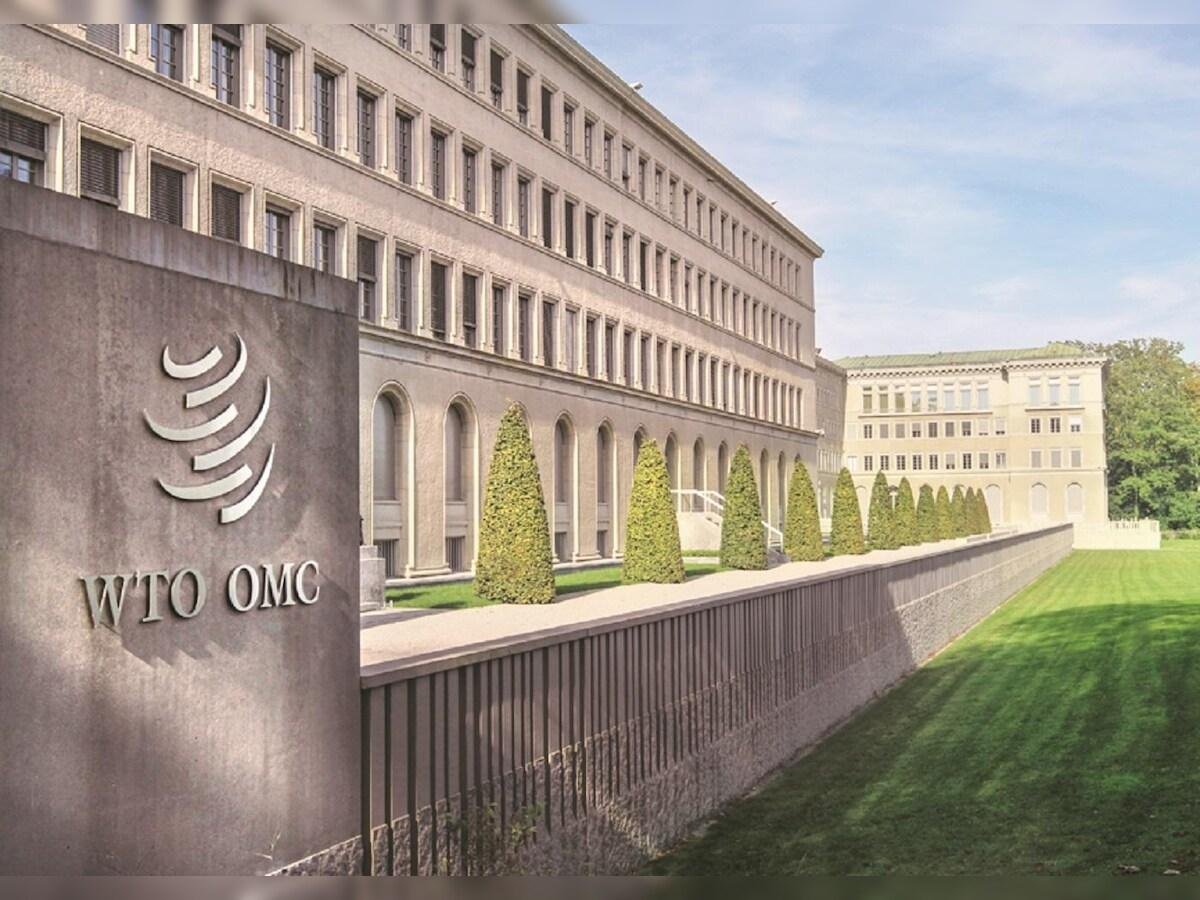
- The WTO is a global body established in 1995 to regulate international trade and ensure a rules-based multilateral trading system.
- Ministerial Conference (MC) is its highest decision-making body, held roughly every 2 years.
- It has the authority to negotiate trade rules, resolve disputes, and shape the future of global trade governance.
- MC14 is particularly important as it comes at a time when multilateralism is weakening and trade tensions are rising globally.
Q2. Why is global trade multilateralism currently in crisis?
- Rising geopolitical tensions, especially between major powers, have weakened cooperation.
- There is a shift from multilateralism to unilateralism, where countries act independently rather than through global rules.
- The United States has imposed tariffs beyond agreed limits, undermining WTO principles.
- Increasing use of bilateral trade agreements is bypassing the WTO framework.
- The WTO’s consensus-based decision-making system has slowed rule-making, reducing its effectiveness.
Q3. How has the United States contributed to the weakening of the WTO system?
- The US has imposed discriminatory tariffs, violating the Most Favoured Nation (MFN) principle.
- It has exceeded bound tariff limits, undermining agreed trade commitments.
- It has pursued coercive bilateral trade deals, bypassing multilateral negotiations.
- It has blocked appointments to the WTO Appellate Body, paralysing dispute settlement system.
- This has weakened the WTO’s ability to enforce rules and resolve disputes effectively.
Q4. What are the key issues being debated at WTO MC14?
- Plurilateral Agreements: Debate over allowing agreements among limited members within the WTO framework.
- E-Commerce Moratorium: Whether to continue the ban on tariffs on digital trade.
- Special and Differential Treatment (SDT): Whether developing countries should retain special protections.
- Restoration of Appellate Body: Need to revive the dispute settlement mechanism.
- Protection of Core Principles: Safeguarding principles like MFN and rule-based trade.
Q5. Why are plurilateral agreements a matter of debate in the WTO?
- Plurilateral agreements involve only a subset of WTO members, unlike universal agreements.
- Supporters argue they can revive rule-making and overcome decision-making deadlock.
- Critics fear they may fragment the multilateral system and weaken inclusiveness.
- Countries like India are concerned that such agreements may undermine consensus-based governance.
Q6. What is the significance of issues like the E-commerce moratorium and Special & Differential Treatment (SDT)?
- The E-commerce moratorium prevents tariffs on digital trade; its continuation may lead to revenue loss for developing countries.
- SDT provisions provide flexibility & benefits to developing countries based on their economic status. Attempts to dilute SDT may reduce policy space for developing nations.
- These issues reflect the broader conflict between developed and developing country interests in global trade.
Q7. What should be India’s strategy at WTO MC14?
- India should actively defend multilateralism and rule-based trade systems.
- It should build alliances with developing countries to protect shared interests.
- It should take balanced stance by revisiting rigid positions, including on plurilateral agreements.
- It should advocate for restoration of the Appellate Body to strengthen dispute resolution.
- It should aim to emerge as a leader of the Global South in trade negotiations.
Q8. What are the challenges and what measures can strengthen the WTO system?
| Challenges | Way Forward |
| 1. Rise of unilateral trade actions by major powers | Reinforce commitment to multilateral trade rules |
| 2. Paralysis of dispute settlement system | Restore Appellate Body through institutional reforms |
| 3. Slow decision-making due to consensus rule | Explore flexible mechanisms while preserving inclusiveness |
| 4. Fragmentation through bilateral and plurilateral agreements | Ensure transparency and alignment with WTO principles |
| 5. Conflict between developed and developing countries | Strengthen SDT provisions and ensure equitable negotiations |
Conclusion
MC14 is a crucial test for the future of global trade, where preserving multilateralism, fairness, and inclusivity will determine whether the WTO remains relevant in a rapidly changing world.