Context
UNESCO has advised that the proposed Aghanashini–Vedavathi river linking project must follow World Heritage conservation norms, highlighting the ecological importance of the Aghanashini River.
Q1. Where is the Aghanashini River and what are its key features?
- Origin: Gadihalli (Sirsi) in the Western Ghats of Karnataka at ~676 m altitude
- Length: ~117 km
- Drainage area: ~1449 sq. km
- Mouth: Flows into the Arabian Sea at Tadri (Karnataka)
- Meaning of name: “Aghanashini” = Remover of sins
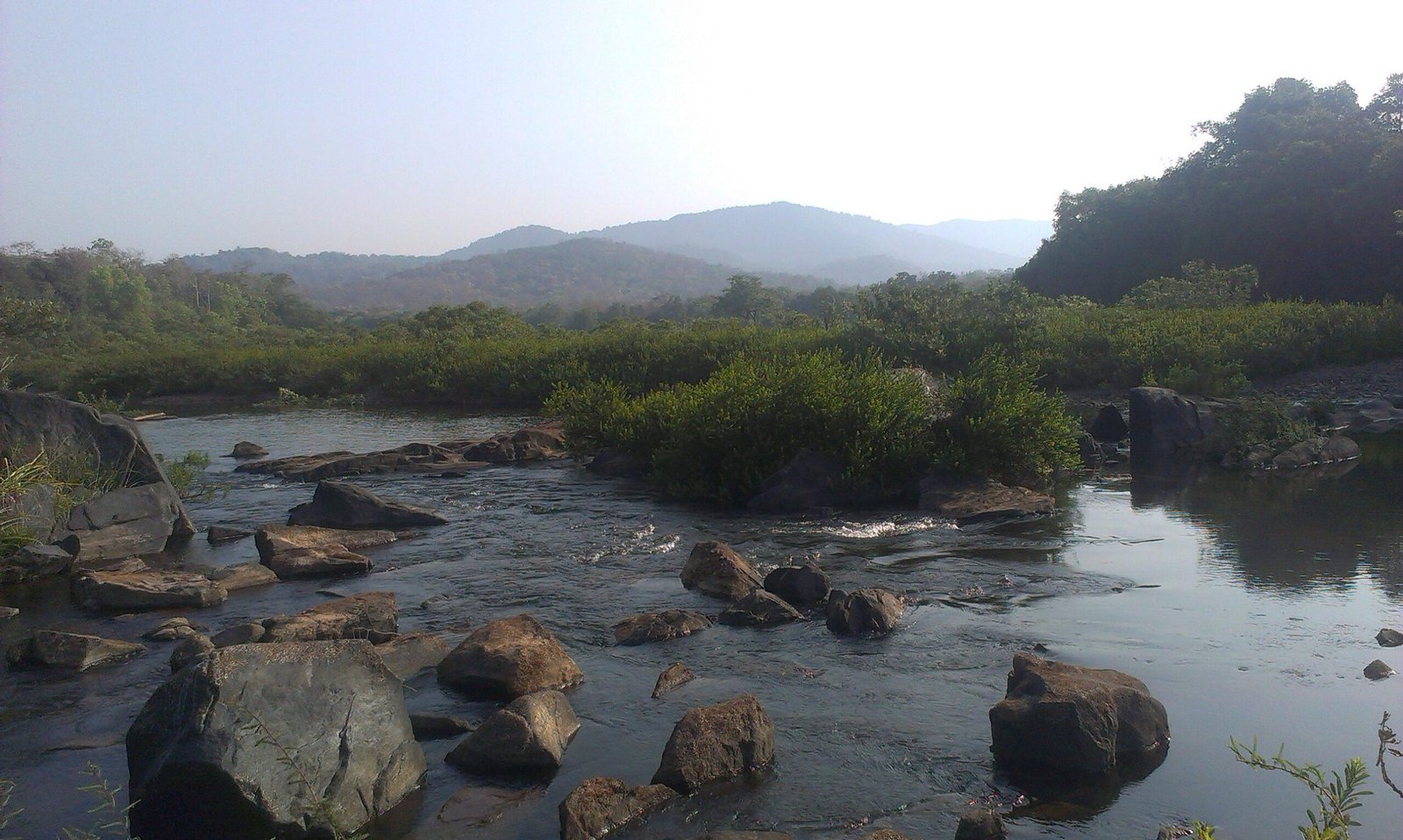
- It is one of the few remaining free-flowing (undammed) rivers in the world.
Q2. What are its physical and geographical characteristics?
- Tributaries: Donihalla, Chandika hole, Masti mane halla, Benne hole
- Waterfalls formed due to terrain variation: Unchalli Falls, Dabbe Falls, Burude Falls, etc.
- Rainfall pattern: Receives orographic rainfall which ranges from ~2500 mm (plains) to >6300 mm (Ghats).
Q3. Why is the Aghanashini River ecologically important?
- Remains undammed, preserving natural river flow
- Supports rich biodiversity in the Western Ghats
- Forms the Aghanashini Estuary near the sea:
- Rich in mangroves
- Habitat for fish, birds, and aquatic life
- The estuary is recognised as a Ramsar Site
- It is a rare example of a healthy, natural river ecosystem.
Conclusion
The Aghanashini River is a unique free-flowing river system with high ecological value, and any development project must carefully balance infrastructure needs with environmental conservation.