Context
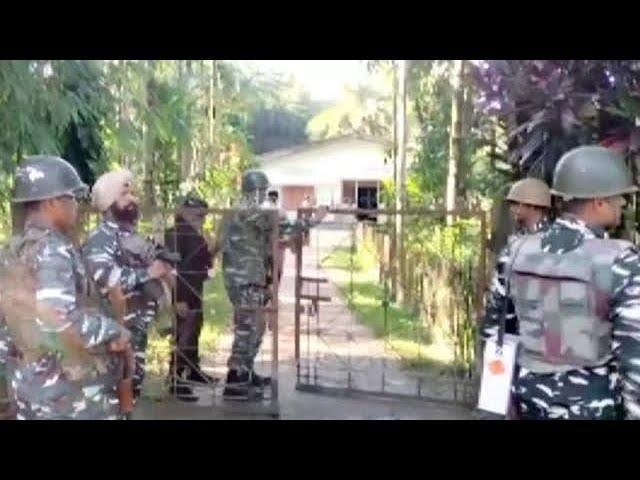
A recent militant attack by ULFA (Independent) injured Assam Police commandos in Tinsukia near the India–Myanmar border. The incident highlights that insurgency in Northeast India persists despite earlier peace efforts.
Q1. What is ULFA and ULFA(I)?
- United Liberation Front of Asom (ULFA): Formed in 1979 as a separatist group with the aim to establish sovereign Assam with key leaders like Paresh Baruah, Arabinda Rajkhowa, Anup Chetia
- ULFA(I) – Breakaway faction: Led by Paresh Baruah, it emerged after the split during peace talks (post-2009). It remains an anti-talk faction, continuing armed insurgency and operates mainly from Myanmar-based camps.
Q2. How did the ULFA insurgency emerge (Background)?
- Illegal Migration Issue (Post-1971): Large-scale migration after the Bangladesh war led to demographic changes and ethnic tensions
- Assam Agitation (1979–1985): Led by All Assam Students’ Union, with the demand of detection and deportation of illegal migrants. Radical elements from this later formed ULFA.
- Militancy Phase (1980s–2000s): Attacks on security forces and linkages with groups like NSCN, NDFB, ATTF.
- Decline (2009–2015): Cooperation from Sheikh Hasina helped in arrest and extradition of leaders and destruction of camps. ULFA weakened significantly
- Split and Emergence of ULFA(I): Pro-talk faction entered negotiations. Anti-talk faction formed ULFA(I) and continued insurgency
Q3. What is the significance of the issue?
- Internal Security: Continued insurgency threatens law and order in Northeast India
- Strategic Importance: Region is key to India’s Act East Policy
- Border Security: Highlights need for better coordination with neighbouring countries
Q4. Why does ULFA(I) remain a threat and what can be done to overcome it?
| Challenges | Way Forward |
| 1. Cross-border safe havens in Myanmar’s difficult terrain | Strengthen cooperation with Myanmar using advanced technologies (drones, satellite monitoring). |
| 2. External linkages (arms supply and funding support) | Enhance intelligence sharing and diplomatic engagement |
| 3. Porous borders (India–Myanmar and India–Bangladesh) | Improve border fencing, surveillance, and monitoring systems |
| 4. Local grievances (identity, resource control, underdevelopment) | Promote inclusive development and responsive governance |
| 5. Incomplete peace process | Accelerate dialogue and negotiations with insurgent factions |
| 6. Youth radicalisation | Create employment opportunities and integration programs |
Conclusion
The ULFA(I) attack shows that insurgency in Northeast India has declined but not ended. A balanced approach combining security measures, regional cooperation, and socio-economic development is essential for long-term peace.