Context
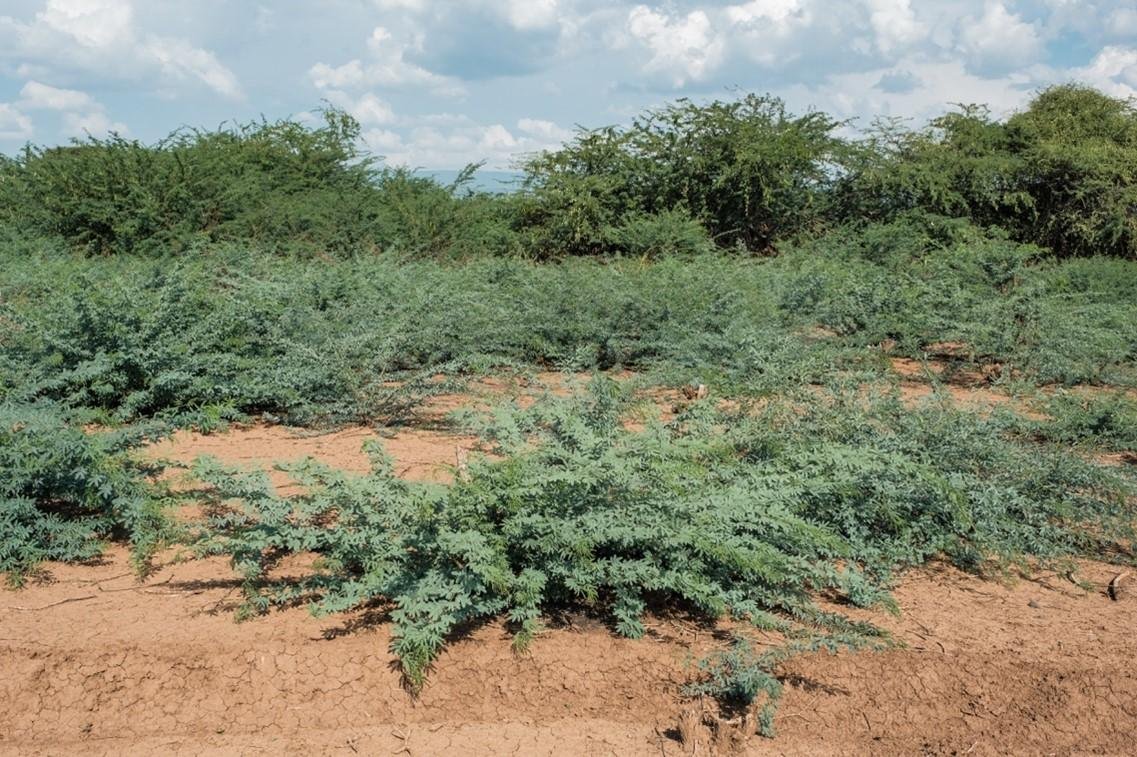
The Madras High Court recently issued 34 directions for the eradication of Prosopis juliflora from Tamil Nadu due to its harmful ecological impact.
Q1. What is Prosopis juliflora?
- It is a shrub or small tree belonging to the Fabaceae (mesquite) family.
- Native to Mexico, South America, and the Caribbean.
- Introduced in India during the 1920s by the British, including in Delhi.
- Known by various local names like vilayati kikar, seemai karuvelam, gando baval, Bellary jaali.
- It is now considered one of the most invasive species in arid and semi-arid regions.
Q2. Why is Prosopis juliflora highly invasive?
- High adaptability: Can grow in diverse soils—from sand dunes to clay, and even in saline or alkaline conditions.
- Wide climatic tolerance: Survives across low to high rainfall regions and varied altitudes.
- Rapid growth: Shows aggressive spread, outcompeting native vegetation.
Q3. What are the environmental impacts of Prosopis juliflora?
- Excessive water consumption: Uses large amounts of groundwater, depleting water resources.
- Soil and water impact: Can degrade groundwater quality.
- Loss of biodiversity: Replaces native grasses and plants, destroying natural habitats.
- Ecosystem imbalance: Leads to land degradation & erosion due to disappearance of grasslands.
- Poor ecological support: Provides limited shelter for birds and fauna.
Conclusion
Prosopis juliflora is a highly invasive species that disrupts ecosystems, depletes resources, and threatens biodiversity, making its control and eradication essential for ecological restoration.