Context
Recent scientific studies have highlighted that adipose tissue (body fat) is not just a storage site for excess calories but also functions as an active metabolic and endocrine organ, influencing hormones and overall body metabolism.
Q1. What is Adipose Tissue?
- Adipose tissue is a type of connective tissue commonly known as body fat.
- It is distributed throughout the body:
- Under the skin (subcutaneous fat)
- Around internal organs (visceral fat)
- Inside bone cavities (bone marrow fat)
Q2. Why is adipose tissue important (functions)?
Adipose tissue plays multiple essential roles:
- Energy Storage: Stores excess energy as triglycerides
- Endocrine Function: Releases hormones such as:
- Leptin → reduces appetite
- Adiponectin → regulates insulin and blood sugar levels
- Protection & Insulation: Cushions organs and prevents heat loss
- Metabolic Regulation: Acts as a buffer by safely storing excess lipids
Q3. What are the types of adipose tissue?
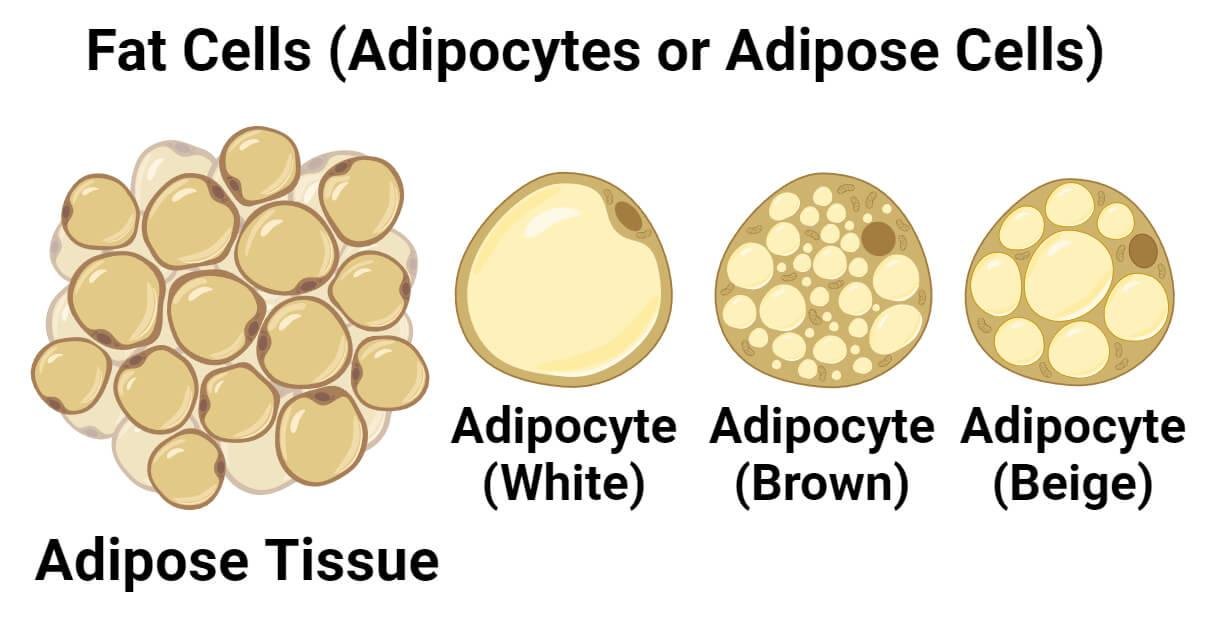
- White Adipose Tissue (WAT)
- Most abundant type in adults
- Stores energy in the form of fat (triglycerides)
- Excess accumulation can lead to insulin resistance, fatty liver disease and cardiovascular risks.
- Brown Adipose Tissue (BAT)
- Specialised for burning energy
- Contains many mitochondria and a protein called UCP1
- Converts energy directly into heat (thermogenesis)
- Beige Fat Cells
- Develop within white fat under conditions like cold exposure or hormonal signals.
- Acquire properties similar to brown fat, helping in heat production
Conclusion
Adipose tissue is not just fat storage but a dynamic organ regulating metabolism, hormones, and energy balance, making it crucial for both health and disease management.