Context
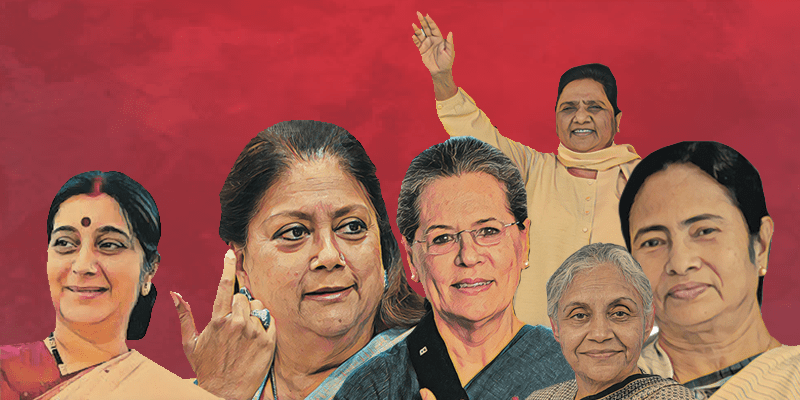
Recent analysis of electoral data highlights a paradox in Indian democracy: while women’s voter participation has increased significantly, their political representation in elected bodies remains low.
What is the Status of Women’s Representation in India Across Six Parameters?
- Representation as Voters: The male–female voter ratio is almost equal (50:50) in India.
- Voter Turnout: In the 1950s, male voter turnout was significantly higher than female turnout. However, by 2024, it has been almost equal: Male turnout = 65.6% and Female turnout = 65.8%.
- Participation in Rallies, Campaigns, and Processions: Women’s participation in political rallies, campaigns, and processions remains limited with around 9% in 2009 and 16% in 2024.
- Door-to-Door Campaigning: Women’s participation in door-to-door political campaigning has also increased (from 5% in 2009 to 11% in 2024) but remains limited.
- Tickets to Contest Elections: Political parties do not give many election tickets to women because they believe that women have lower chances of winning elections. However, there is no empirical evidence supporting this assumption.
- Winning Elections and Representation in Parliament: Despite receiving party tickets, women’s chances of winning elections remain comparatively lower, with representation in Parliament rising only from 52 members in 1952 to 74 members in 2024 (about 14%), far short of the target of 33% representation.
What Are the Reasons for Low Women’s Political Representation in India and What Are the Corresponding Solutions?
| Reason | Corresponding Solution |
| 1. Birth: Political ambition among women is often lower from the beginning of life. | Encourage the development of political ambition among women from early stages of life. |
| 2. School: Female political literacy is comparatively low. | Improve political literacy among girls during school education. |
| 3. Family: Women carry greater domestic responsibilities such as childbearing and childrearing, and they often require family approval to participate in public activities. | Reduce barriers arising from domestic responsibilities and family restrictions so that women can participate more freely in politics. |
| 4. College: Women’s participation in youth leadership and political leadership at the college level is very limited. Many women prioritize marriage or securing a decent job rather than political leadership. | Increase opportunities for women’s leadership and political participation at the college level. |
| 5. Society: Patriarchal social structures limit women’s social and economic mobility. | Address patriarchal barriers and improve women’s social and economic mobility. |
| 6. Political Parties: Political parties provide fewer opportunities to women because they believe women have lower chances of electoral success. | Political parties should provide greater opportunities and more tickets to women candidates. |
| 7. Political Laws: There is no binding legal provision ensuring at least 33% reservation for women in legislatures. | The Women’s Reservation Bill (Nari Shakti Vandan Adhiniyam) should be passed and implemented to ensure 33% reservation for women in the Lok Sabha and State Assemblies. |
| 8. Economic Constraints: Contesting elections requires financial resources & women often face financial limitations. | Address financial barriers so that women can more easily contest elections. |