Important questions for UPSC Pre/ Mains/ Interview:
|
Context
The Supreme Court recently intervened in the Special Intensive Revision (SIR) of electoral rolls in West Bengal by deploying judicial officers to examine nearly 60 lakh disputed voter verification cases, highlighting concerns over electoral roll accuracy and administrative coordination.
Q1. What is the Special Intensive Revision (SIR) of electoral rolls?
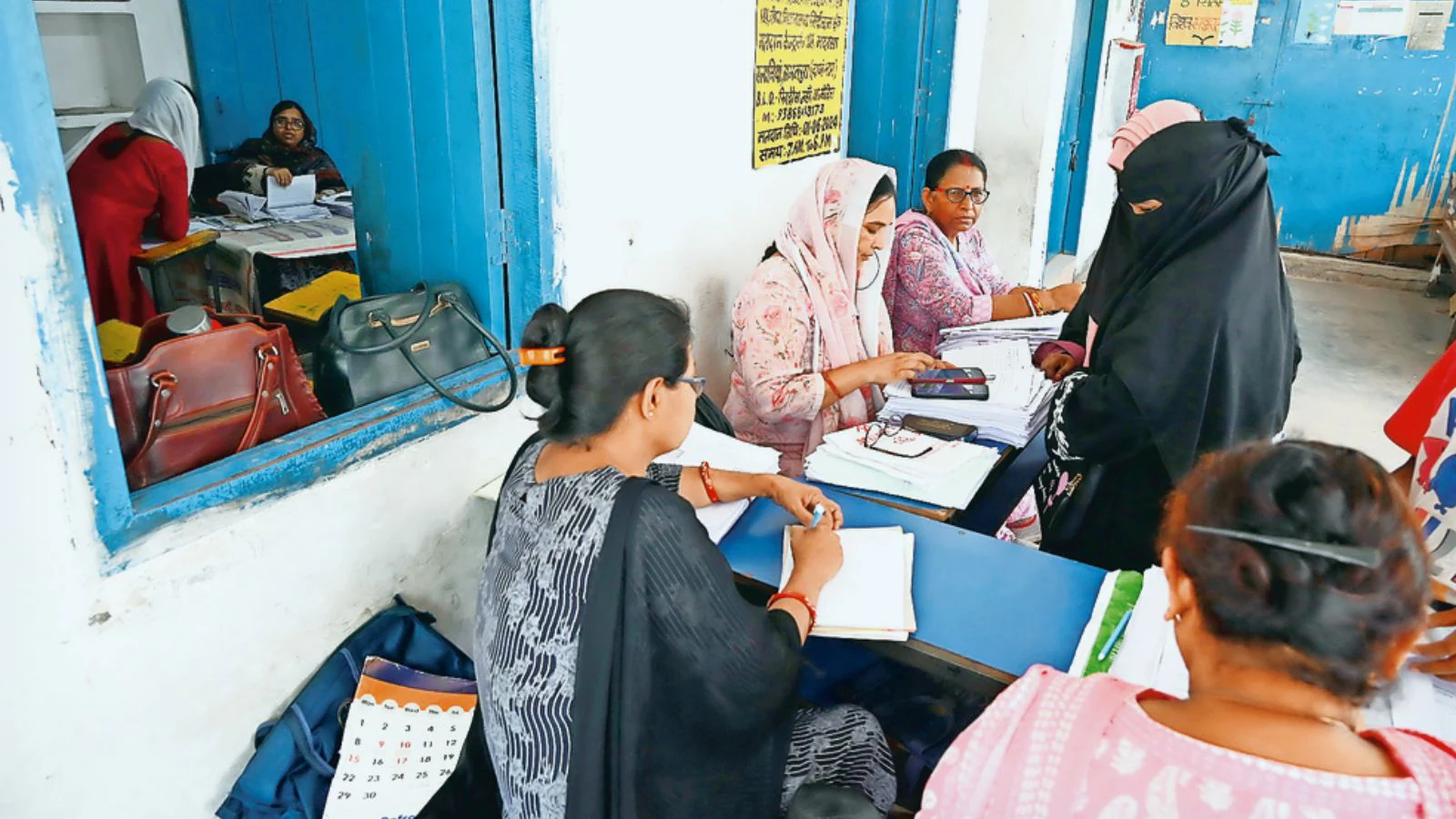
- Special Intensive Revision (SIR) is a detailed verification process conducted by the Election Commission of India (ECI) to update electoral rolls.
- The exercise aims to ensure that voter lists remain accurate, inclusive, and free from duplicate or ineligible entries.
- Electoral rolls are fundamental to elections because only registered voters can cast votes.
- The process includes:
- Verification of existing voter records
- Inclusion of newly eligible voters (e.g., citizens turning 18)
- Deletion of deceased or ineligible individuals
- Correction of errors in personal details
- The process is supervised by Electoral Registration Officers (EROs) and Assistant Electoral Registration Officers (AEROs).
Q2. Why are accurate electoral rolls important for democratic elections?
- Electoral rolls determine who is eligible to vote in elections.
- Inaccurate rolls can lead to:
- Exclusion of eligible voters
- Inclusion of ineligible or duplicate entries
- Electoral disputes and litigation
- Updated voter lists strengthen electoral integrity and public trust in democratic institutions.
- Periodic revisions such as SIR ensure that the voter database remains current and reliable.
Q3. What types of discrepancies were identified in the West Bengal SIR exercise?
Two major categories of cases were flagged during the revision process:
- Logical discrepancy cases: These arise when voter details show inconsistencies such as:
- Age mismatches
- Address discrepancies
- Identity details that do not align with official records
- Unmapped cases: These involve voter entries that cannot be linked with previously verified electoral records or documents. Individuals in these categories must provide supporting documentation to confirm eligibility.
In West Bengal, nearly 60 lakh cases require scrutiny, making the revision exercise unusually large.
Q4. Why did the Supreme Court intervene in the SIR process?
- A dispute arose between the Election Commission of India and the West Bengal government regarding the conduct of the revision exercise.
- The Supreme Court intervened to ensure the timely completion of electoral roll verification before upcoming elections.
- The Court invoked its extraordinary powers under Article 142 of the Constitution.
- It ordered the deployment of judicial officers to scrutinise disputed voter cases.
- Officers from West Bengal, Odisha, and Jharkhand were deployed to accelerate the verification process.
This intervention aimed to maintain credibility and efficiency in the electoral process.
Q5. What was the dispute between the Election Commission and the State government?
The conflict primarily related to administrative arrangements for the revision process.
- Election Commission’s concerns: The State government did not provide sufficient Group ‘A’ officers such as Sub-Divisional Officers (SDOs) or Sub-Divisional Magistrates (SDMs). Instead, officials from Group ‘B’ and ‘C’ cadres were assigned, which the Commission considered unsuitable for quasi-judicial scrutiny.
- State government’s objections: The State raised concerns about the procedures followed by the Election Commission. It also questioned the deployment of micro-observers for voter verification.
These disagreements created administrative delays in the SIR process.
Q6. What structural issues in India’s electoral system does this controversy highlight?
- Under Article 324 of the Constitution, the Election Commission supervises and conducts elections.
- However, the Commission does not have its own permanent administrative staff.
- Election officials are typically borrowed from Central and State government services during election periods.
- This system sometimes raises concerns about administrative coordination, institutional independence and efficiency in large-scale electoral operations.
- The West Bengal SIR controversy highlights these structural limitations in election administration.
Conclusion
The Special Intensive Revision of electoral rolls plays a crucial role in maintaining accurate and credible voter lists in India’s democratic system. The Supreme Court’s intervention in the West Bengal revision process underscores the importance of timely verification and institutional coordination. Strengthening administrative capacity and ensuring transparent voter verification mechanisms remain essential for safeguarding electoral integrity in India.