Context
Scientists exploring the deep seafloor of the Pacific Ocean have reported the presence of “dark oxygen”, a form of oxygen produced in environments where sunlight does not reach. The discovery was made while studying the Clarion-Clipperton Zone, a mineral-rich area located between Mexico and Hawaii.
What is Dark Oxygen?
- Dark oxygen refers to oxygen produced deep below the ocean surface without sunlight and without photosynthesis. Key characteristics include:
- It forms thousands of feet below the ocean surface.
- The process occurs in complete darkness, where sunlight cannot penetrate.
- Unlike normal oxygen production, it does not involve plants, algae, or photosynthetic organisms.
- This phenomenon challenges the long-held belief that oxygen production requires sunlight-driven photosynthesis.
Where was Dark Oxygen first observed?
- The phenomenon was first observed in 2013 during deep-sea research.
- It was detected in the Clarion-Clipperton Zone of the Pacific Ocean.
- This region is known for its large deposits of polymetallic nodules scattered across the seafloor.
How is Dark Oxygen produced in the deep ocean?
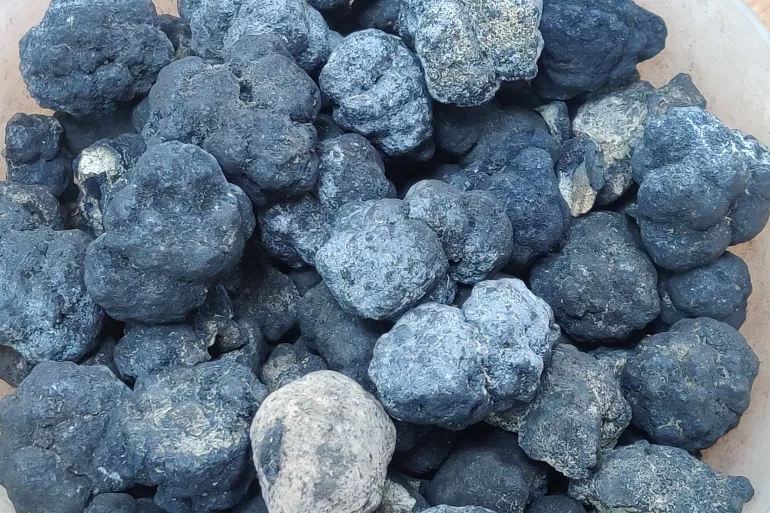
- The production of dark oxygen is linked to polymetallic nodules found on the ocean floor.
- Polymetallic Nodules are mineral-rich rock-like structures composed of metals such as Manganese, Iron, Cobalt, Nickel, Copper and Lithium.
- Mechanism of Oxygen Production
- The nodules generate small electrical charges.
- These electrical charges trigger electrolysis, a process that splits water molecules.
- When water molecules break apart, oxygen is released even in the absence of sunlight.
Why is the discovery of Dark Oxygen important?
- Until now, scientists believed oxygen was produced only through photosynthesis. The discovery of dark oxygen suggests that non-biological processes can also produce oxygen.
- It indicates that deep-sea ecosystems may have previously unknown oxygen sources. This could reshape our understanding of life in extreme environments.
- Implications for Space and Astrobiology: Researchers believe similar processes may occur on other planets or moons. If mineral-driven electrochemical reactions can produce oxygen elsewhere, it could create oxygen-rich environments that may support life beyond Earth.
FAQs
Q1. What is Dark Oxygen?
Dark oxygen refers to oxygen produced deep below the ocean surface without sunlight and without photosynthesis. It forms in complete darkness, independent of plants, algae, or photosynthetic organisms.
Q2. Where was Dark Oxygen first observed?
It was first detected in 2013 during deep‑sea research in the Clarion‑Clipperton Zone of the Pacific Ocean, a mineral‑rich area between Mexico and Hawaii.
Q3. How is Dark Oxygen produced in the deep ocean?
The process is linked to polymetallic nodules on the seafloor. These nodules generate small electrical charges that trigger electrolysis, splitting water molecules and releasing oxygen even without sunlight.
Q4. What are polymetallic nodules?
They are mineral‑rich rock‑like structures found on the ocean floor, composed of manganese, iron, cobalt, nickel, copper, & lithium. Their electrochemical properties enable the production of dark oxygen.
Q5. Why is the discovery of Dark Oxygen important?
It challenges the long‑held belief that oxygen production requires sunlight‑driven photosynthesis. It suggests that non‑biological processes can also generate oxygen, reshaping our understanding of deep‑sea ecosystems.
Q6. What are the implications of Dark Oxygen for space and astrobiology?
Scientists believe similar mineral‑driven reactions could occur on other planets or moons, potentially creating oxygen‑rich environments that may support life beyond Earth.