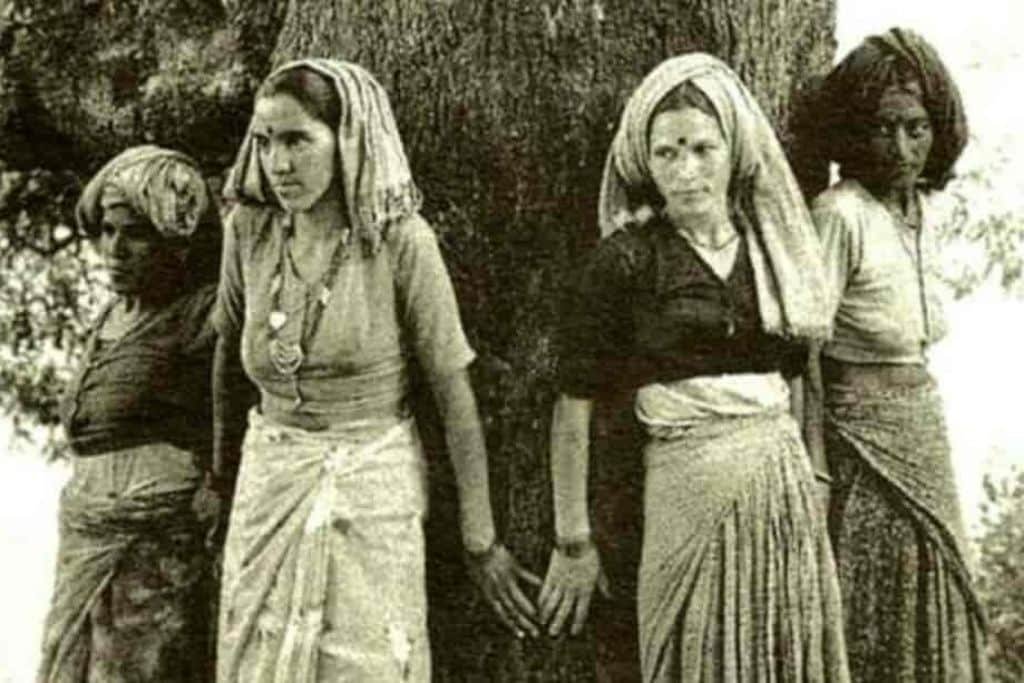
The Chipko Movement, also known as Chipko Andolan, is one of the most iconic environmental movements in global history. Derived from the Hindi word “chipko” (to embrace or hug), the movement saw villagers—predominantly women—physically hugging trees to prevent them from being felled by commercial contractors.
The movement remains a cornerstone of environmental studies, serving as a primary example of eco-feminism and non-violent resistance based on Gandhian principles of Satyagraha.
I. Origin and History
The movement traces its roots to 1973 in the Garhwal region of the Himalayas, specifically in the Chamoli district of present-day Uttarakhand (then part of Uttar Pradesh).
- The Spark: The conflict began when the state forest department refused the local villagers’ request to use a small number of ash trees for agricultural tools but subsequently allotted a much larger plot of the same forest to a commercial sports goods manufacturer.
- The Resistance: Facing institutional neglect, local communities, organized under the Dasoli Gram Swarajya Sangh (DGSS), decided to act. When loggers arrived, the villagers embraced the trees, effectively shielding them with their bodies and forcing the contractors to withdraw.
II. Key Figures of the Movement
The Chipko Movement was characterized by a blend of grassroots organization and legendary individual leadership.
- Chandi Prasad Bhatt: A Gandhian social activist and founder of the DGSS, he is credited with organizing the local communities and establishing the movement’s initial structure.
- Sunderlal Bahuguna: Perhaps the most famous face of the movement, he provided Chipko with a national and global platform. He is renowned for his 5,000-km foot march across the Himalayas to spread awareness about ecological degradation.
- Gaura Devi: A courageous village woman who led the legendary 1974 Reni village protest. While the men were away, she and 27 other women confronted armed loggers, refusing to move from the trees until the contractors retreated.
- Dhoom Singh Negi: A vital organizer within the DGSS who helped mobilize resistance in various sectors of the Garhwal hills.
III. Primary Causes of the Movement
The movement was not merely a romantic defense of nature; it was a struggle for survival driven by several socio-economic factors:
- Commercial Deforestation: Aggressive logging policies in the 20th century disrupted the delicate Himalayan ecosystem.
- Marginalization of Locals: Government policies favored outside contractors over the indigenous population who had managed the forests for generations.
- Ecological Imbalance: Rapid tree felling led to severe soil erosion, decreased rainfall, poor crop yields, and the drying up of perennial water sources.
- Burden on Women: As forest resources dwindled, women—who were responsible for collecting fodder, fuel, and water—had to walk much longer distances, leading to physical exhaustion and household poverty.
IV. Significant Impact and Legacy
The success of the Chipko Movement transformed environmental policy in India and inspired activists worldwide.
- Policy Shift: In 1980, following intense pressure from the movement, Prime Minister Indira Gandhi implemented a 15-year ban on felling green trees in the Himalayan regions of Uttar Pradesh.
- Empowerment of Women: It redefined the role of rural women, portraying them not as passive victims but as powerful leaders, strategists, and protectors of natural heritage.
- Global Recognition: The movement became a blueprint for non-violent environmental activism, extensively studied in global policy circles and universities.
- Inspiration for Future Movements: Chipko served as the spiritual precursor to several other campaigns:
- Appiko Movement: A similar “hug the tree” protest in the Western Ghats of Karnataka.
- Narmada Bachao Andolan: Led by Medha Patkar against large-scale dam projects.
- Silent Valley Movement: A successful protest in Kerala to protect rainforests from being submerged by a hydroelectric project.
Ten FAQs on the Chipko Movement (Single-Sentence)
What does the word “Chipko” mean?
It is a Hindi word meaning “to hug” or “to embrace,” referring to the activists’ method of protecting trees.
In which year did the Chipko Movement officially begin?
The movement officially started in 1973 in the Chamoli district of Uttarakhand.
Who is known for the 5,000-km march to support the movement?
Sunderlal Bahuguna undertook the massive foot march across the Himalayas to spread the message of forest conservation.
What was the role of the Dasoli Gram Swarajya Sangh (DGSS)?
Founded by Chandi Prasad Bhatt, the DGSS was the grassroots organization that spearheaded the initial protests.
Why is Gaura Devi famous in the history of this movement?
She led a group of 27 women in Reni village to confront and stop commercial loggers in 1974.
What was the most significant policy outcome of the movement?
It led to a 15-year ban on felling green trees in the Himalayan region, enacted in 1980.
How is the movement related to “Eco-feminism”?
It is considered a landmark eco-feminist movement because women were the primary leaders and stakeholders in protecting the environment.
What were the main ecological consequences of deforestation in the region?
Deforestation caused severe soil erosion, frequent landslides, and the depletion of local water sources.
Which movement in Karnataka was inspired by Chipko?
The Appiko Movement in the Western Ghats was directly inspired by the tactics of the Chipko Andolan.
What Gandhian principle did the movement follow?
The movement was strictly non-violent and followed the principle of Satyagraha (truth-force).