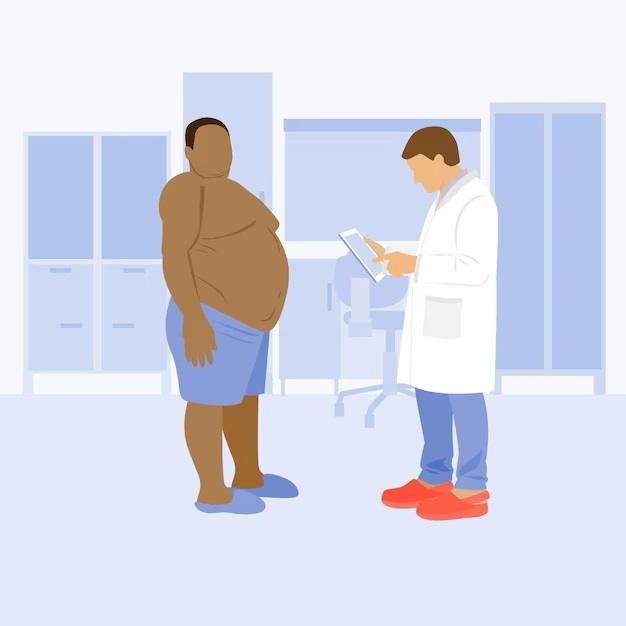
“Health is wealth” and “A healthy mind in a sound body” are not just ancient adages; they are fundamental realities of human existence. In today’s fast-paced world, being “healthy” extends far beyond the simple absence of disease. It is a holistic state that defines your functional efficiency across the body, mind, and soul.
To achieve this state of peak performance and happiness, maintaining a proportionate physique is essential. One of the most reliable indicators of this balance is the Height and Weight Chart.
The Vital Importance of Height-Weight Correlation
The height and weight chart serves as a primary diagnostic tool for both individuals and medical professionals. It helps determine if your body mass is in proportion to your stature, mirroring your current internal health status.
Why Is It Critical for Different Age Groups?
- For Adults: It serves as a benchmark for maintaining quality of life and preventing lifestyle-related disorders.
- For Children: It is even more critical. In children, these parameters are the standard for tracking complete physical and mental growth, ensuring they are meeting developmental milestones.
Gender-Based Biological Variations
A universal chart does not exist because men and women possess different biological and physiological alignments. These differences result in varying muscle-to-mass compositions.
Health experts highlight three primary pillars that define your health as you age:
- Height
- Weight
- Gender
Because men typically have higher bone density and muscle mass, their ideal weight ranges differ from women of the same height.
Interpretation of the Height and Weight Chart
The weight categories are classified into three distinct zones:
- Average Weight: You are within the medically defined “healthy range” for your height.
- Underweight: Your weight is below the average range for your stature. It is advisable to consult a medical expert to identify potential nutritional deficiencies or underlying treatments.
- Overweight: Your weight exceeds the usual range for your height. This indicates a higher-than-ideal body mass, suggesting a need for lifestyle or dietary adjustments to prevent future health complications.
Male Weight Chart by Height
| Height (Feet/Inches) | Height (cm) | Average Weight Range (kg) |
| 4’6” | 137 cm | 28.5 – 34.9 kg |
| 4’7” | 140 cm | 30.8 – 38.1 kg |
| 4’8” | 142 cm | 33.5 – 40.8 kg |
| 4’9” | 145 cm | 35.8 – 43.9 kg |
| 4’10” | 147 cm | 38.5 – 46.7 kg |
| 4’11” | 150 cm | 40.8 – 49.9 kg |
| 5’0” | 152 cm | 40.1 – 53 kg |
| 5’2” | 157 cm | 48.1 – 58.9 kg |
| 5’4” | 163 cm | 50.0 – 64.8 kg |
| 5’6” | 168 cm | 58 – 70.7 kg |
| 5’8” | 173 cm | 63 – 70.6 kg |
| 5’10” | 178 cm | 67.6 – 83 kg |
| 6’0” | 183 cm | 72.6 – 88.9 kg |
Female Weight Chart by Height
| Height (Feet/Inches) | Height (cm) | Average Weight Range (kg) |
| 4’6” | 137 cm | 28.5 – 34.9 kg |
| 4’7” | 140 cm | 30.8 – 37.6 kg |
| 4’8” | 142 cm | 32.6 – 39.9 kg |
| 4’9” | 145 cm | 34.9 – 42.6 kg |
| 4’10” | 147 cm | 36.4 – 44.9 kg |
| 4’11” | 150 cm | 39 – 47.6 kg |
| 5’0” | 152 cm | 40.8 – 49.9 kg |
| 5’2” | 157 cm | 44.9 – 54.9 kg |
| 5’4” | 163 cm | 49 – 59.9 kg |
| 5’6” | 168 cm | 53 – 64.8 kg |
| 5’8” | 173 cm | 57.1 – 69.8 kg |
| 5’10” | 178 cm | 61.2 – 74.8 kg |
| 6’0” | 183 cm | 65.3 – 79.8 kg |
FAQs on Ideal Height and Weight
What is the purpose of a height-weight chart?
It helps determine if an individual’s weight is proportionate to their height, serving as an indicator of general health.
Why do men and women have different weight charts?
Men and women have different muscle mass, bone density, and physiological compositions.
Is the chart equally important for children?
Yes, it is a critical standard for monitoring a child’s complete physical and mental developmental growth.
What does it mean to be ‘Underweight’ on the chart?
It means weight is below the healthy range for your height, which may require medical consultation.
What should I do if I am in the ‘Overweight’ category?
Evaluate diet and physical activity levels, and consult a professional for a structured health plan.
Does being disease-free mean I am healthy?
Not necessarily; health is defined by the functional efficiency of the body, mind, and soul together.
What factors impact health as we get older?
According to experts, height, weight, and gender are the three primary aspects.
Can we use the same chart for a 5’5″ man and a 5’5″ woman?
No, we must use the gender-specific chart to get an accurate health interpretation.
What is considered the average weight for a 5’10” male?
The healthy range for a 5’10” (178 cm) male is 67.6 – 83 kg.
What is the weight range for a 5’4″ female?
For a 5’4″ (163 cm) female, the average healthy weight range is 49 – 59.9 kg.